Does This Even Matter?
Yes! It Does!
Scroll through the internet and you’ll find chaos. Blogs that call Stok Kangri a “hike.” Articles where “trekking” and “mountaineering” are thrown around like synonyms.
But here’s the truth: hiking, trekking, and mountaineering are not the same thing. They differ in duration, terrain, skills required, equipment used, and—most importantly—what they demand from you.
The only commonality? You move your legs. Everything else changes.
At Bikat Adventures, we’ve trained and led people across all three categories—from weekend hikes to 7,000m+ expeditions. So here’s a clear breakdown, minus the confusion.
Hiking: The Gateway to the Outdoors
Hiking is the most accessible of the three. Think well-marked trails, moderate gradients, and short durations—usually a few hours to a day.
-
Purpose: Leisure, fitness, or casual exploration.
-
Terrain: Road, pavement, or clear offbeat trails.
-
Gear: Good shoes, warm clothes, a map/trail guide, snacks, water.
-
Skills: Non-technical—just basic awareness of the trail.
-
Preparation: Light. A day pack is enough.
Example: A day hike to Nag Tibba base meadows or a weekend hike in the Western Ghats (most of them are DIY Treks).
Hiking is where most people first fall in love with the outdoors.
Trekking: The Bridge Between Hiking and Mountaineering
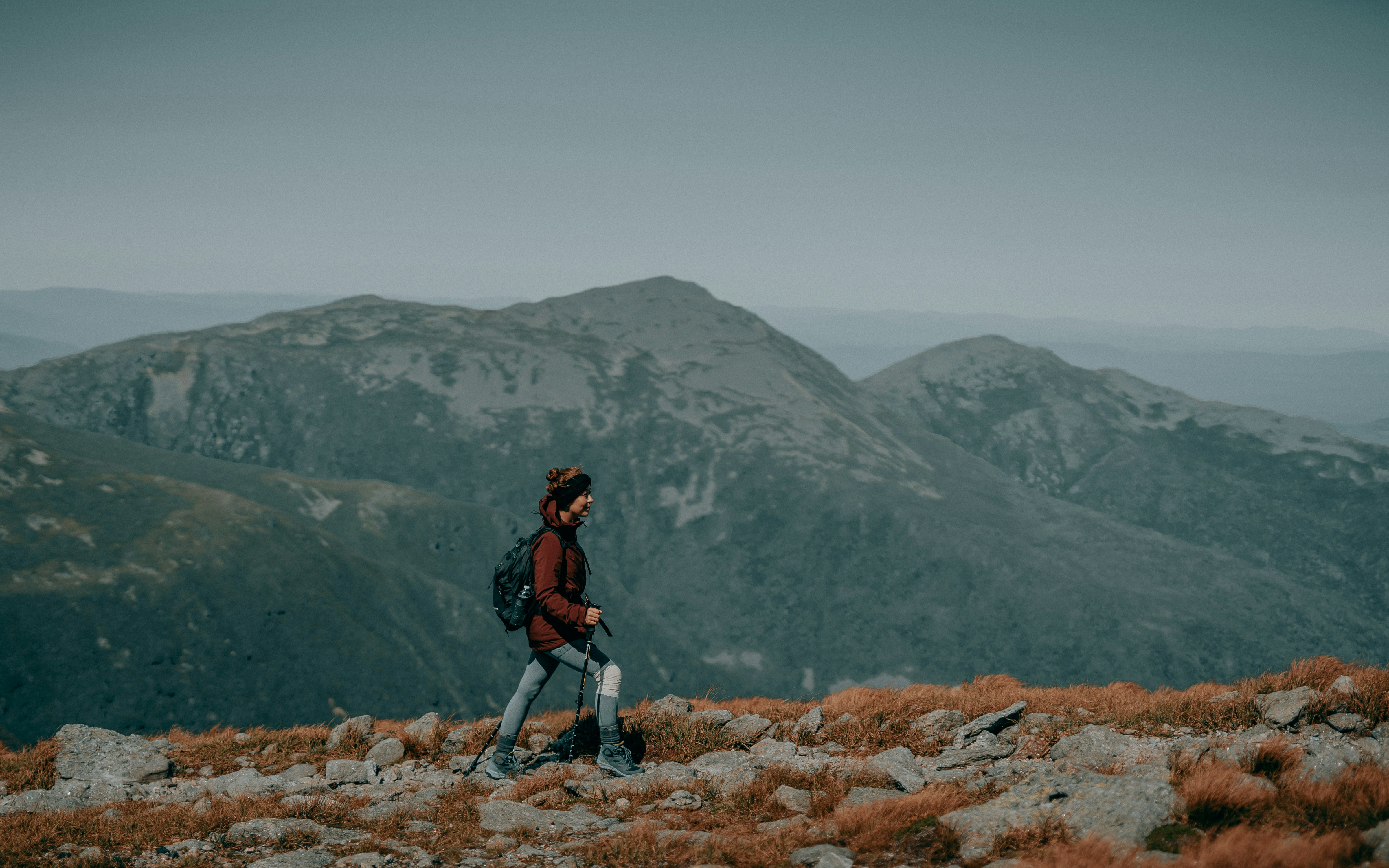
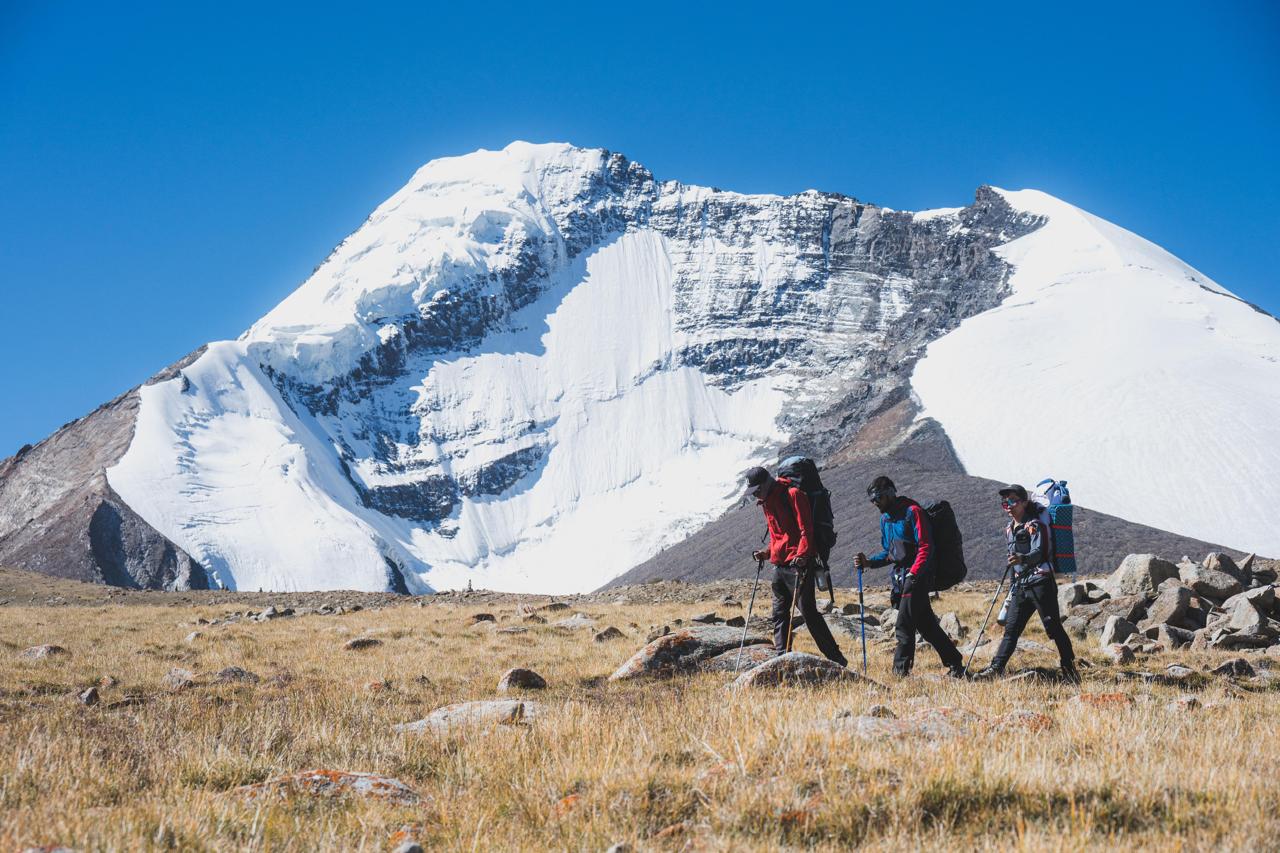
Trekking takes hiking a few levels higher. It’s multi-day, involves steeper ascents and descents, and often leads you into remote, high-altitude terrain.
-
Easy Treks: 3–5 days, gradual gradients, marked trails.
-
Moderate Treks: 5–8 days, steep sections, basic stamina required.
-
Difficult Treks: 6–15 days, tough terrain, prior trekking experience needed.
-
Challenging Treks: Up to 25 days, technical sections, mountaineering exposure recommended.
Trekking requires:
-
Gear: Tents, sleeping bags, layered clothing, sometimes technical equipment depending on terrain.
-
Fitness: Higher stamina. Regular cardio prep is a must.
-
Preparation: Prior planning, route knowledge, packing essentials.
Example: Buran Ghati Trek (15,000 ft) with rappelling sections, or Goechala Trek with 360° views of Kanchenjunga.
Mountaineering: The Final Frontier
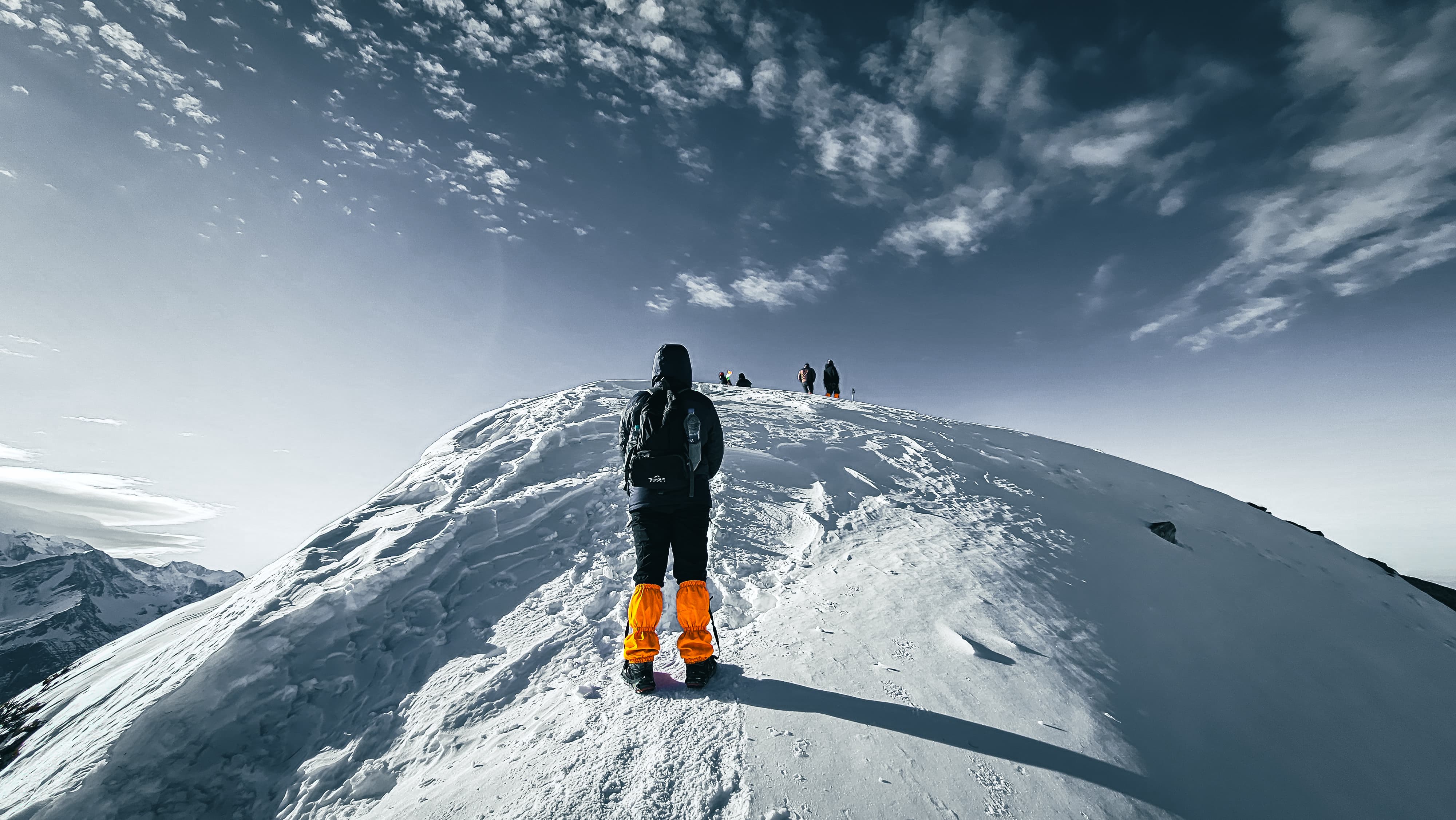
Mountaineering is not trekking with extra snow. It is technical climbing on rock, ice, and snow, often at extreme altitudes where the weather is merciless.
-
Terrain: Rock faces, glaciers, ice walls, crevasse-riddled snowfields.
-
Skills Required: Ropework, ice axe use, crampons, glacier rescue, weather reading, and fast decision-making.
-
Gear: Ice axe, harness, ropes, carabiners, helmets, crampons, descenders, mountaineering boots.
-
Fitness: High-level physical conditioning and mental toughness.
-
Preparation: Formal training like BMC/AMC, prior trekking experience, and guided climbs.
Example: Mt. Deo Tibba (6,001 m) for beginners, Mt. Nun (7,135 m) for advanced mountaineers, and ultimately, the 8,000m giants.
Mountaineering is risky, unpredictable, and not for casual adventurers. It is where you transition from exploring the mountains to confronting them.
Putting It Together
-
Hiking = Gateway. Short, simple, marked trails.
-
Trekking = Bridge. Multi-day, altitude, some technical terrain.
-
Mountaineering = Frontier. Technical climbs on rock, ice, and snow.
Each category comes with its own rewards, risks, and preparation requirements.
So next time you plan an adventure, you’ll know: it’s not all a “hike.”
Related Reads
Final Word
Whether you’re on a short hike, a week-long Himalayan trek, or a technical mountaineering expedition, remember:
Respect the mountains. Leave no waste. Stay safe. And most importantly—have fun.