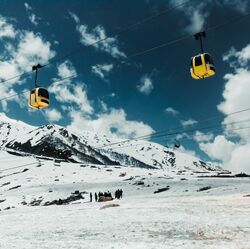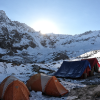
The winter in the Himalayas can be beautiful and brutal.
Each winter, we see plenty of trekkers, including the fit-athlete type, repeat the same rookie mistakes as those before them and suffer on the snow trails.
Here is the best part about these mistakes on the Himalayan trails - You don’t have to make them!
Here are 12 common winter trekking mistakes and how you can avoid them.
Layering
Winter treks do not mean piling on a sweater and a jacket over two cotton T-shirts. Let there be a method to your madness. You don’t deserve hypothermia.
You deserve a solid layering system to stay warm and dry.
The fix:
- Let your base layer be a thin, dri-fit material that hugs your body and can wick sweat away.
- Wear a thick, windproof fleece jacket as a mid-layer to trap your body heat.
- Use a water- and wind-proof down jacket as the outer layer that acts as a shell against the elements.
Add a pullover/woollen sweater on top of your baselayer if it is too cold.
How do you know you’re doing it right?
- Rather than feeling instantly warm after layering up, you should get warm gradually once you start your trek.
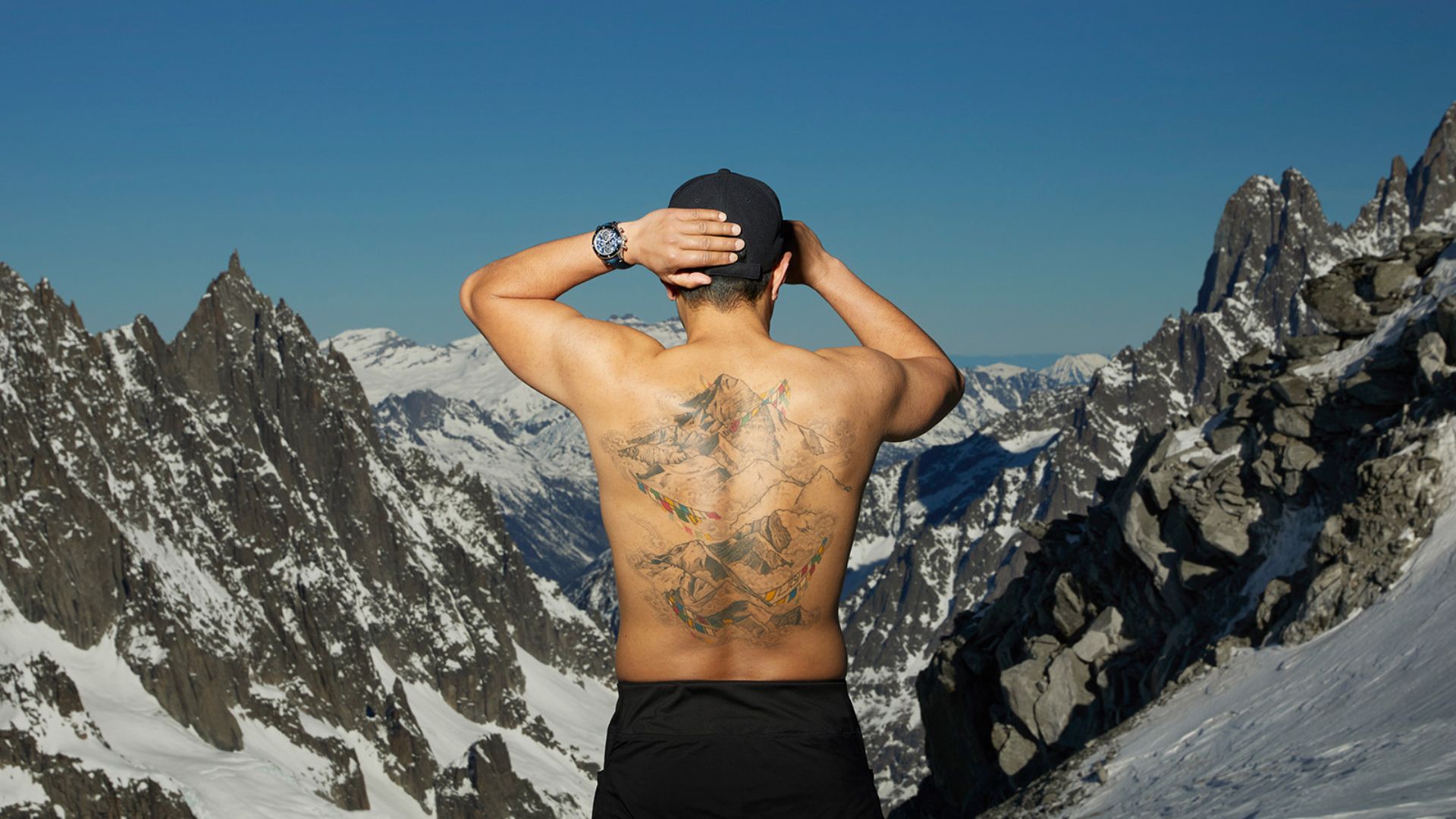
Clothing Choices for a Winter Trek
A soft, fluffy cotton T-shirt sure sounds comfortable for an evening cup of hot chai with friends. But the same cotton T-shirt for a hot chai at 12600ft in the snowy mountains of Parvati valley is a bad idea.
The fix:
- When on a winter trek, always switch to polyester and lighter, synthetic fabric options. (They keep moisture away and keep your body heat from escaping, even in wet conditions)
- Pick a light pair of weatherproof/insulated pants to go with it, and you will be fine on the snowy trails.
How do you know you’re doing it right?
- Your clothes dry quickly, don’t feel heavy, and keep you warm during and after a trek.
Dry Legs and Warm Palms
We kid you not, on a Dayara Bugyal trip during the winter of 2023, we saw 2 guys wearing Converse sneakers. Neither had any gloves in sight, either. After falling a few times, they learnt life the hard way.
Making a fashion statement in the snow is an easy way to get blisters, frostbite and injuries.
The Fix: Choose Winter Boots with:
- Deep lugs and a thick rubber outsole
- Gore-Tex or a waterproof outer layer
- High/mid ankle support & Pack at least 3 pairs of dri-fit socks, a pair of woollen socks, and a pair of woollen and waterproof gloves each.
How do you know you’re doing it right?
- You feel good, slip/fall rarely, and your hands and toes are always warm.
Protection from the Winter Sun
Not carrying a small tube of lip balm, any sunscreen with good SPF, and a pair of snow goggles can cause:
- Sunburnt skin
- Super-dry lips
- Snow blindness
- All of the above (If you are super unlucky)
The Fix:
Just carry everything mentioned above.
How do you know you’re doing it right?
- You are not sunburnt, snowblind, or have cracked lips.
Snow reflects over 80% of UV rays. And it gets harsher as you go higher. So, never treat safety on a winter trek in India as optional.
Hydration, Fueling, and Exhaustion
It's the Himalayan winter. It is cold enough as it is, and you don’t feel like drinking water at all. Within hours, you get dizzy, slur your words, and feel like you can’t go any further.
So, not drinking enough water is not the flex you think it is. Skipping breakfast because
‘You don’t feel like it’ is not safe. These 2 mistakes can wreck your trek.
The fix:
Every 20 minutes, take a sip of water from your insulated bottle. Have a small snack, such as a protein bar/chocolate/dry fruit, and take a bite every hour.
Make these non-negotiable, and you will handle the elements with ease.
How do you know you’re doing it right?
- You are trail-aware, energetic, and… your urine isn’t 50 shades of metallic yellow!
Acclimatisation and AMS
You feel great on the trail, so you push extra hard. The cold-dry winter air will drain you and leave you gasping for air.
Up Next: You develop altitude sickness/AMS, and your trek is over.
The fix:
- Hike high, but sleep low. Have an acclimatisation day whenever you are to gain too much in less time.
- Do not ‘race’ up the trail. Take your time and pace yourself. Let your body adjust to the altitude naturally.
- Lose altitude and go down to the lower camps, in case you have headaches.
How do you know you’re doing it right?
- You are free from nausea, discomfort, and headaches.
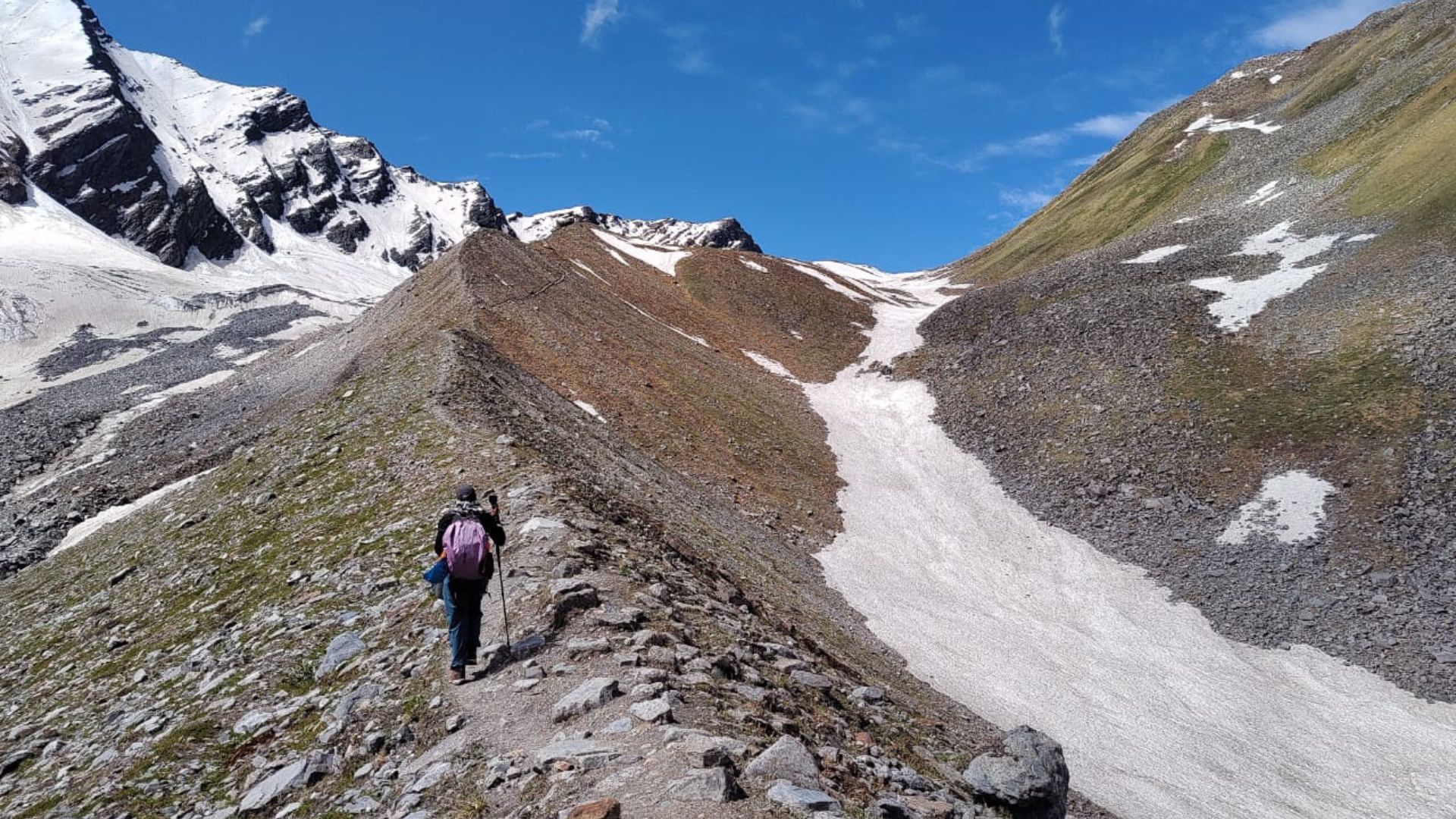
Packing Heavy
More often than not, people pack what they want, not what they need.
This makes the safar, a ‘suffer’.
The fix:
When you pack, be brutal. Make every piece of clothing and gear earn its place in your backpack.
How do you know you’re doing it right?
- You should be able to pick up your loaded backpack with your little finger easily.
An extra kilo at the basecamp will feel like 10 when you are carrying it 10000ft up a mountain, walking on ice and slippery rocks.
Read this packing essential list to know more.

Underestimating the Trail
Trekkers often tend to equate winter trekking with a picnic. The types of hard rocks, sharp stones, and empty spots the soft and fluffy snow trail hides below are a recipe for injuries if not navigated with extreme caution.
The fix:
Always expect the trail to be inconsistent. Use crampons, microspikes, and poles wherever you see large sections of snow and ice. A happy winter trek is one void of simple mistakes.
How do you know you’re doing it right?
- You come back with zero injuries and bruises.
Protecting the ‘Vitals’
What’s more important than your GoPro and DSLR on a 15000ft peak? - Your dry clothes.
Your dry pair of clothes and socks is a vital piece of gear in your backpack.
Imagine a long walk when your water is spilling over inside your backpack, or worse, the rainwater seeping in and wetting everything inside? It is a nightmare.
The fix:
Always carry a foldable dry sack that can hold a set of fresh clothes and electronics. And make sure to trek with the rain cover on your backpack.
Listen Good
Your lungs, legs, and body can only take so much. You can’t ‘grunt’ your way to the summit. Especially on a winter trek.
Confidence is fine. But ignoring the physical and mental cues of your body is not.
The fix:
- Listen to your body. Listen to the guides. If either of them says ‘No’, it's a NO.
- Headache, fatigue, giddiness, or an injury? Speak up instantly.
Risking yourself on a windy, snowy trail will put you and your team under duress. Avoid it.
How do you know you’re doing it right?
- You are always high in energy, comfortable on the trails, and are guided by reality, not urgency.
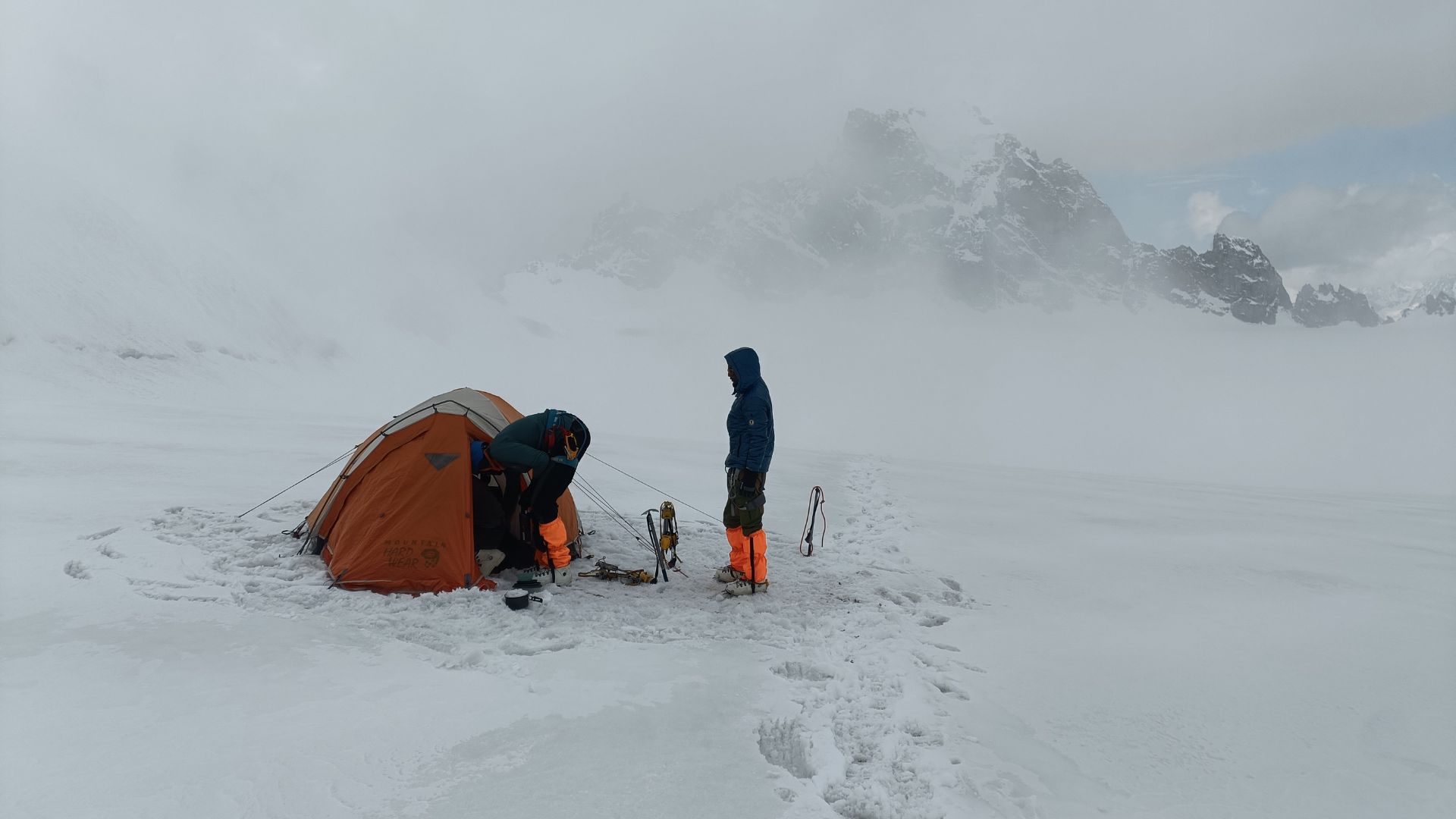
Sleep Good
A good night’s sleep is a great recharge. It's almost as important as fueling and hydration.
When you are at an altitude, in freezing temperatures, sleeping can be a chore.
The fix:
Use your sleeping bag and tent to your advantage.
Do not:
- Sleep with the sleeping bag half open. Fit into your sleeping bag like a glove.
- Close all the zips of your tent while you sleep. The condensation of your own air will make it colder and harder to breathe, paving the way for AMS.
How do you know you’re doing it right?
- You breathe comfortably all night.
- You wake up well-rested, not groggy and sick.
You can also keep your electronics inside the sleeping bag. Your body heat will keep them from discharging fast.
Beyond these common trekking mistakes, forgetting non-negotiables like a headlamp, an insulated bottle, and proper pre-trek conditioning can break your journey. Think of it like a paratha without achaar.
You can grunt along and finish it, but it's not enjoyable.
In the winter Himalayas, failing to prepare is preparing to fail. Get your gear and mind right, and you'll not only go the distance, you'll enjoy every step of the way.
If you are thinking of a winter trek in India this year, take a look at these treks with various difficulty levels, and make your itinerary when you plan.