If you’re looking for a first Himalayan trek that delivers big-mountain views without big-mountain risk, this is it. The Chopta–Tungnath–Chandrashila trek is short, flexible, culture-rich, and ridiculously rewarding for the effort. You’ll learn the basics of pace, layering, hydration, and trail etiquette—without getting chewed up by altitude.
This is where you earn your stripes, not your injuries.
-
Accessable
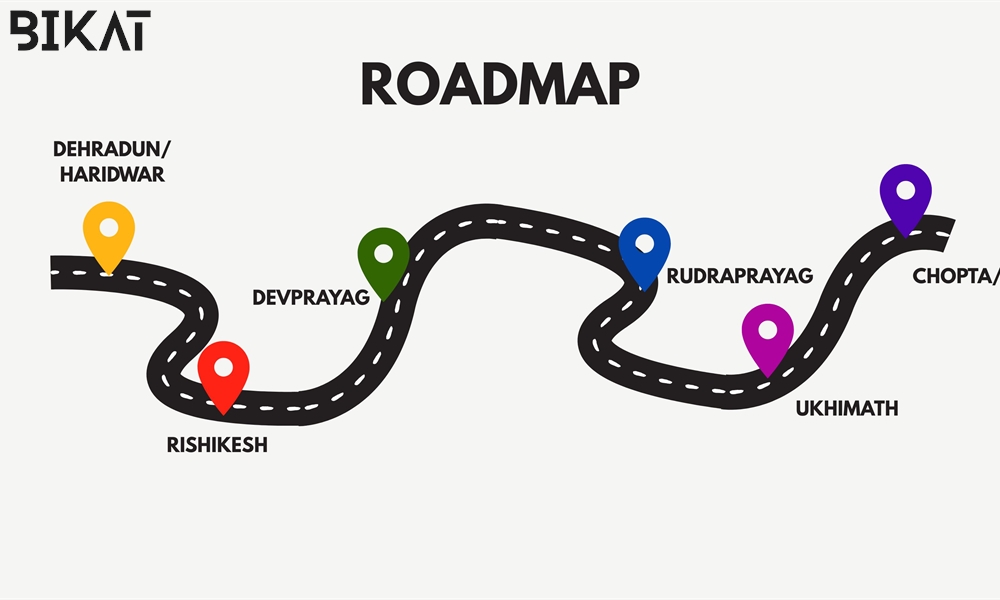
Close to Dehradun/Rishikesh/Haridwar: Road connectivity to Chopta (≈2,600–2,700 m) or Sari (for the Deoriatal combo).
Zero faff logistics: No flights, no inner-line permits. Just plan your road leg and go.
Flexible bases: Stay in Chopta for a direct Tungnath trek and Chandrashila summit push, or in Sari if you want the Deoriatal–Chandrashila circuit.
How to reach (quick):
-
Short, Modular Itineraries (2 to 4 Days)
You can do this in a long weekend—or stretch it into a gentle 4-day intro.
Option A: Classic 2D/1N (from Chopta)
Day 1: Arrive Chopta; acclimatise; short walks.
Day 2: Chopta → Tungnath (≈3.5 km) → Chandrashila (≈1.5 km) → back to Chopta; drive out.
Option B: 3D/2N (comfort pace)
Day 1: Reach Chopta/Sari.
Day 2: Summit day (Tungnath–Chandrashila); return.
Day 3: Buffer/explore or travel back.
Option C: 4D/3N Deoriatal Combo (from Sari)
Day 1: Sari → Deoriatal camp.
Day 2: Deoriatal → drive to Chopta.
Day 3: Tungnath–Chandrashila summit; back to base.
Day 4: Return.
-
Altitude That Teaches, Not Punishes
Max altitude: Chandrashila ~3,660–3,730 m (Tungnath ~3,680 m; Chopta ~2,600–2,700 m).
What that means: You’ll feel the altitude enough to respect it—without diving into the deep end. Hydrate, pace, and you’ll be fine.
Chopta to Chandrashila distance: ~5 km one-way (≈3.5 km to Tungnath + ≈1.5 km to Chandrashila). Trails are well-marked and stone-paved for long sections.
-
Views Worth the Flight You Didn’t Take
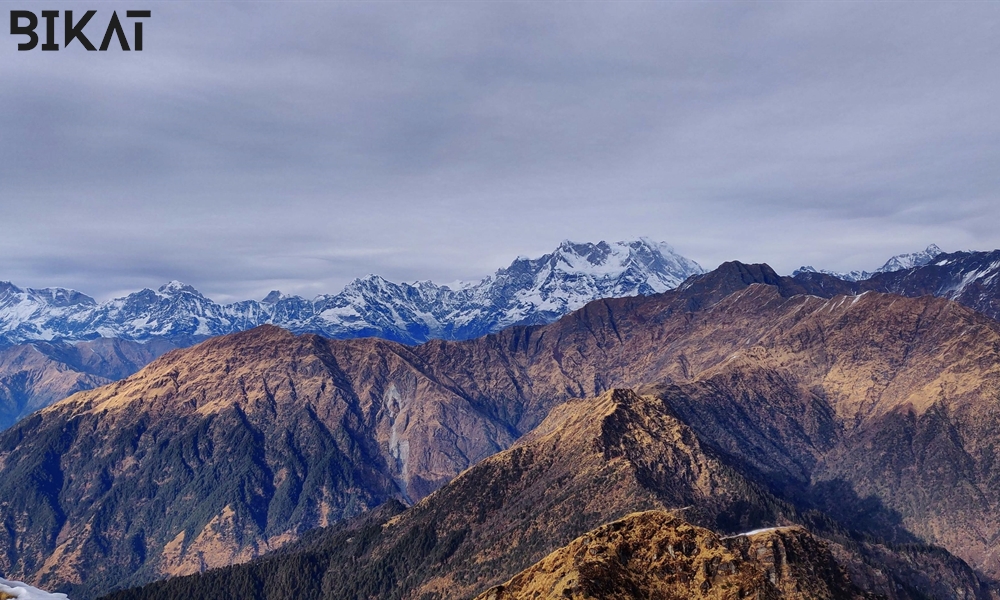
From Chandrashila, on a clear day, you’re staring down a line-up that reads like a who’s who: Chaukhamba, Trishul, Nanda Devi, Kedar Dome, Neelkanth.
It’s one of the best view-to-effort ratios in the Indian Himalayas.
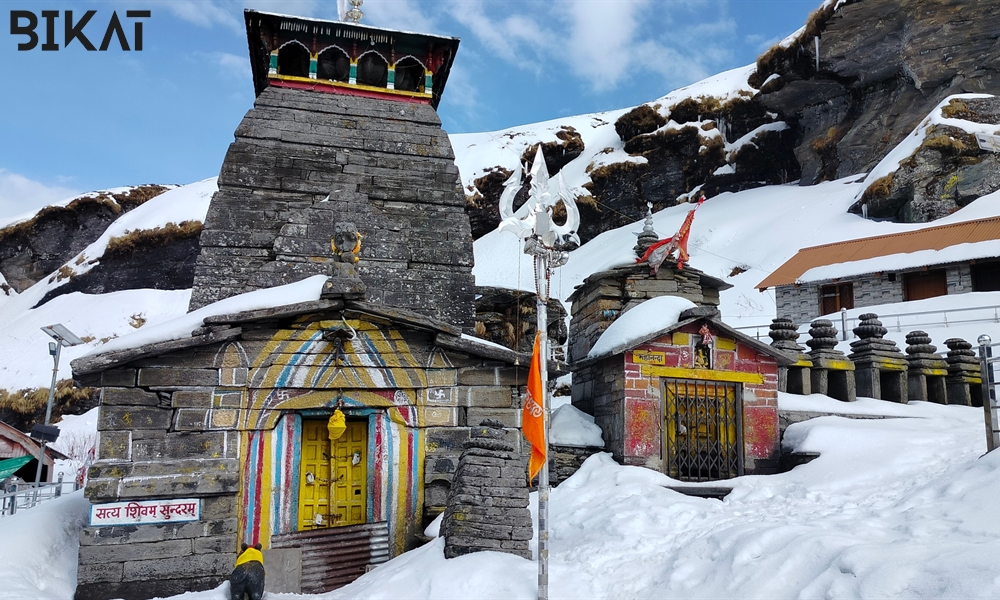
Tungnath is believed to be the highest Shiva temple. You’re not just walking a trail; you’re walking a pilgrimage route used for centuries. Dress and behave accordingly near the temple—this is living culture, not a photo backdrop.
-
Year-Round Learning (Pick Your Season)
Autumn (Oct–Nov): Crisp skies = the cleanest mountain views.
Winter (Dec–Feb): Chandrashila in winter gives you snow, micro-spikes, and a genuine “mountain” feel.
Spring (Mar–Apr): Rhododendrons and lingering snow patches; sweet spot for first-timers.
Monsoon (Jul–Aug): Slushy, leeches, low visibility. Give it a pass.
-
Safety Net for First-Timers
Trail type: Gradual, well-trodden, with bailout options to tea houses.
Network: Patchy—assume low connectivity and prepare.
Wildlife sanctuary gate: Carry ID and small cash for any forest entry.
AMS risk: Low compared to high-altitude treks, but don’t sprint; hydrate and pace.
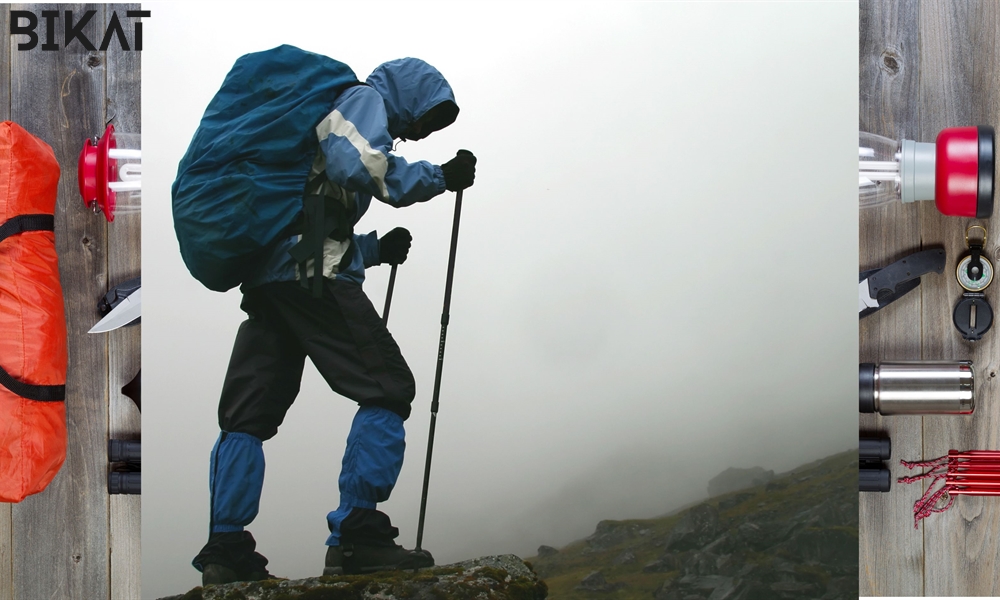
Footwear: Trek shoes with ankle support.
Layers: Base + warm mid-layer + wind/rain shell.
Winter add-ons: Micro-spikes/gaiters (guided groups usually provide), warm gloves, beanie.
Essentials: 1–2 L of water, sun protection, headlamp, personal meds, small waste bag.
Nice-to-have: Trek poles (huge on descent), thermos in winter.
-
Two-Week Micro-Plan to Get “Trek-Ready”
Week 1: 30–40 min brisk walk, 5 days/week + 2 stair sessions (10–15 floors cumulated).
Week 2: Add a loaded backpack (3–5 kg) on one stair day + one longer walk (60–75 min).
Mobility: 5–7 min ankle/calf/hip openers daily. That’s it.
FAQs (The Real Ones Beginners Ask)
Is the Chopta Tungnath Chandrashila trek difficult?
Easy–moderate. Daily distance is short, ascent is steady, and support points exist. Winter adds challenge.
Which month is best for the Chandrashila trek?
For views: Oct–Nov. For snow: Jan–Feb (with micro-spikes). For a balanced first trek: Mar–Apr.
How far is Chopta to Chandrashila?
~5 km one-way (≈3.5 km to Tungnath + ≈1.5 km to Chandrashila).
Can absolute beginners do this?
Yes—if you follow pace, layer right, and hydrate. A basic 2-week prep helps.