What comes to mind when you think of winter in the mountains? Is it building a snowman, playing in the snow, sipping hot kahwa, and staring out at snow-covered peaks? Winter in the mountains isn’t just about treks and summits either—adventure is a wide field. And in it, there’s one skill that blends adrenaline, balance, and the sheer joy of snow.
That skill is skiing.
Skiing in India is very much a thing, and adventure lovers across the country are getting hooked. The idea of carving through powdery snow with the Himalayas as your backdrop is enough to tempt anyone.
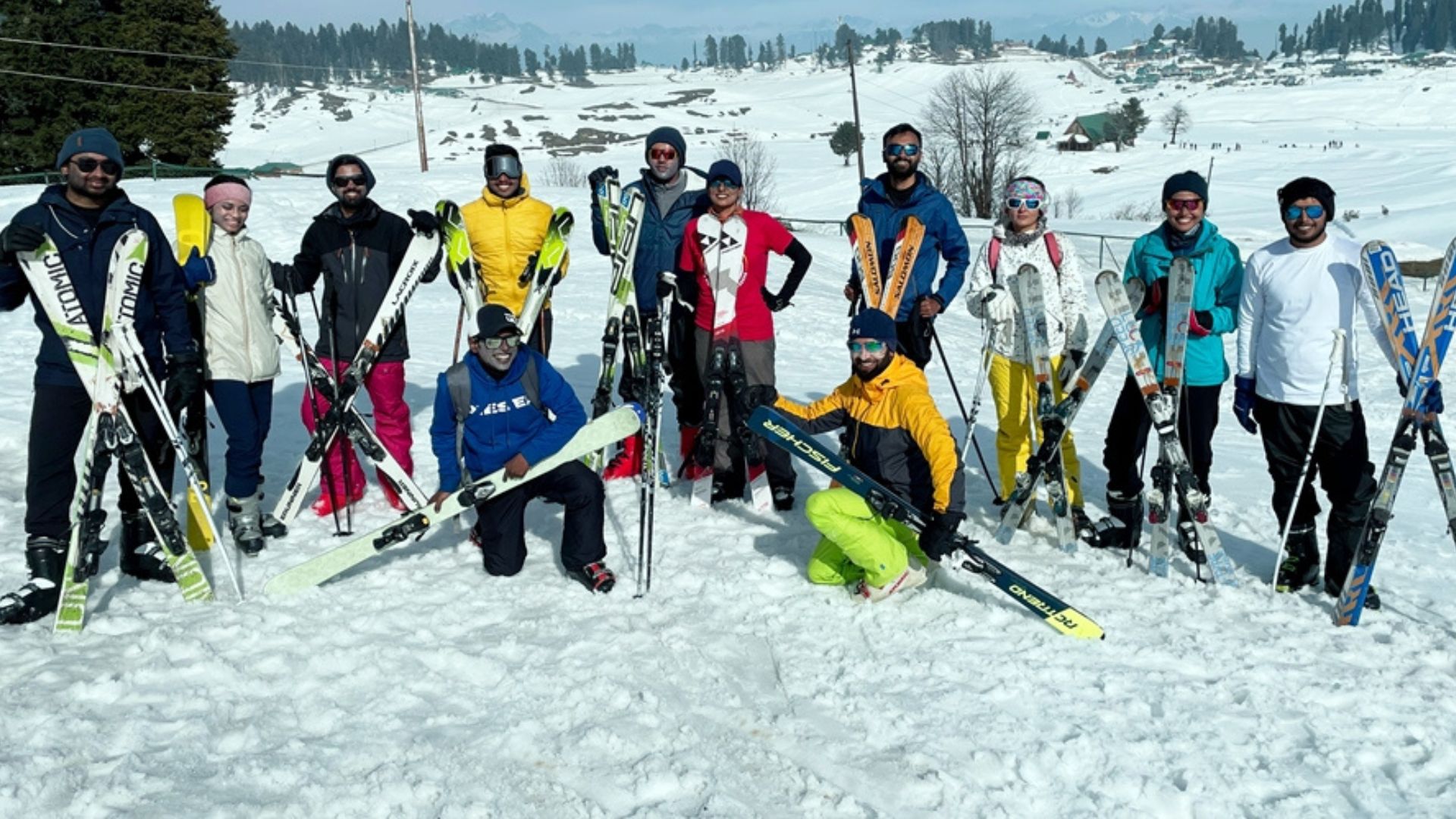
But before you hit the slopes or start dreaming of those clean S-turns, there are a few things worth knowing. Whether you're eyeing ski courses in Gulmarg or Auli, planning your first snow vacation, or just wondering how much it costs to ski in India, this guide has you covered.
Here’s everything you need to know before learning to ski this winter...
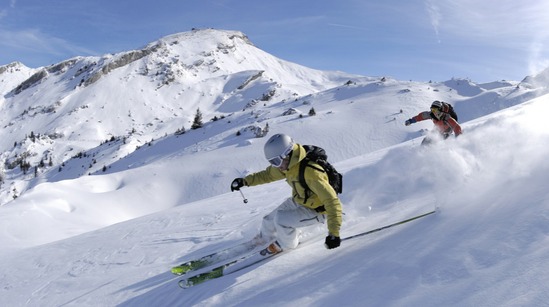
Where Can You Ski in India?
Let’s start with the most common question. The Himalayan range is huge in India, and Skiing is very much a scene in India. There are most scenic and challenging skiing slopes across the Indian Himalayas.
Top Skiing Destinations in India:
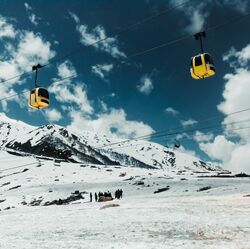
Gulmarg, Jammu & Kashmir – The undisputed king of Indian skiing. Home to Asia’s highest gondola, backcountry routes, and a thriving ski culture. Adventure nerds can’t miss this.
Auli, Uttarakhand – Ideal for beginners. Well-groomed slopes, reliable snow, and regular ski lessons.
Solang Valley, Himachal Pradesh – Great for short ski runs, snowboarding, and introductory sessions.
Kufri and Narkanda – Smaller slopes, good for kids and weekend learners.
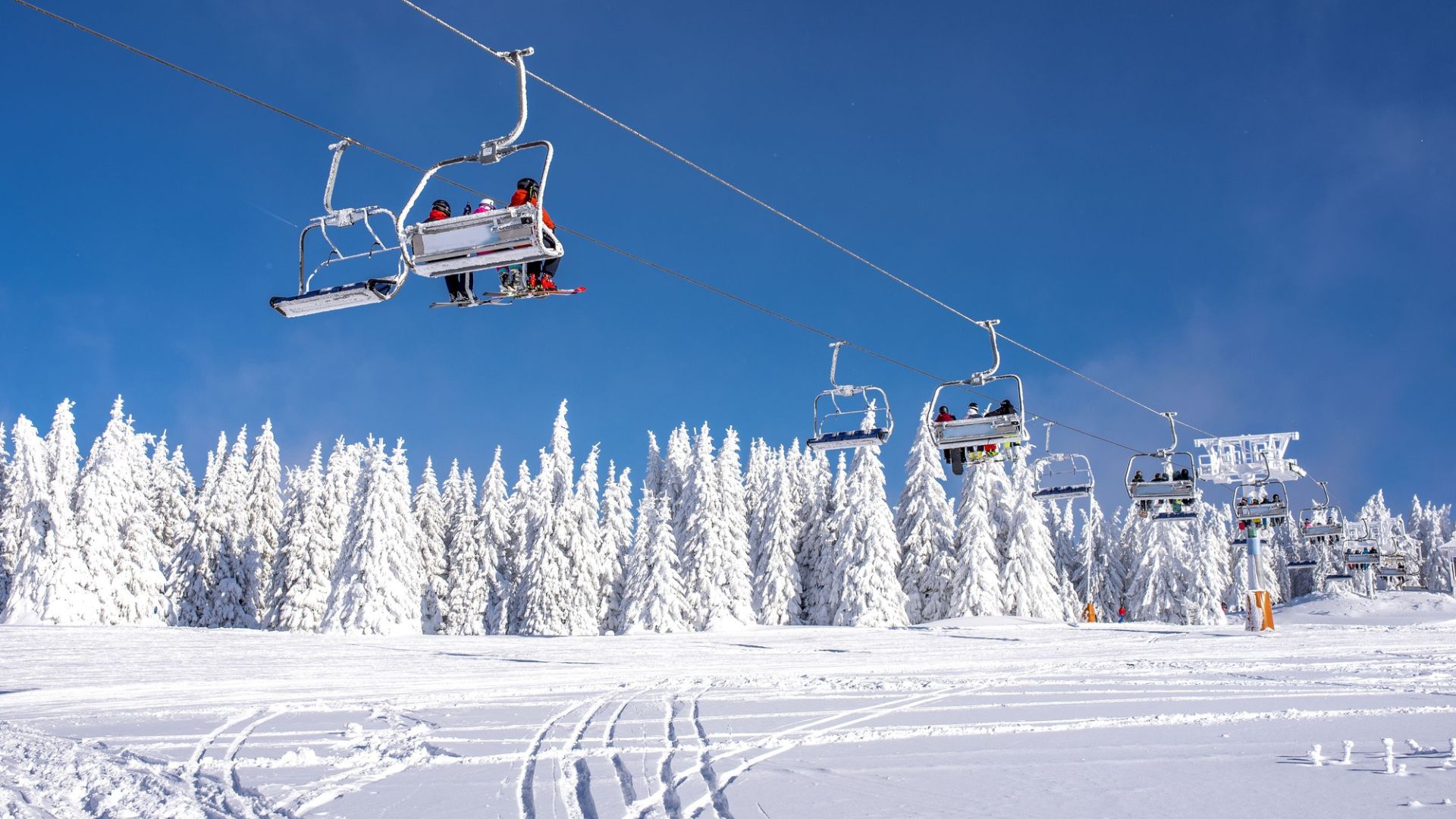
If you're planning a thrilling snow vacation, these are your go-to destinations for skiing in India.
What to Know Before Learning to Ski
Skiing looks easy. It’s not. Just like skates. It takes technique, strength, and trust in your gear (and your instructor). But it’s worth every fall.
Before you sign up, you should also understand:
- What gear do you need?
- Where to learn?
- How long does it take to progress?
- What do the costs look like?
- What basic skiing skills will you be taught?
Let’s break it down.
Know Your Ski Gear (Basics You Need for Skiing)
You don’t need to buy anything up front—ski equipment is usually provided during ski courses in India. Or you can rent them. As a beginner, buying skiing equipment can be expensive.
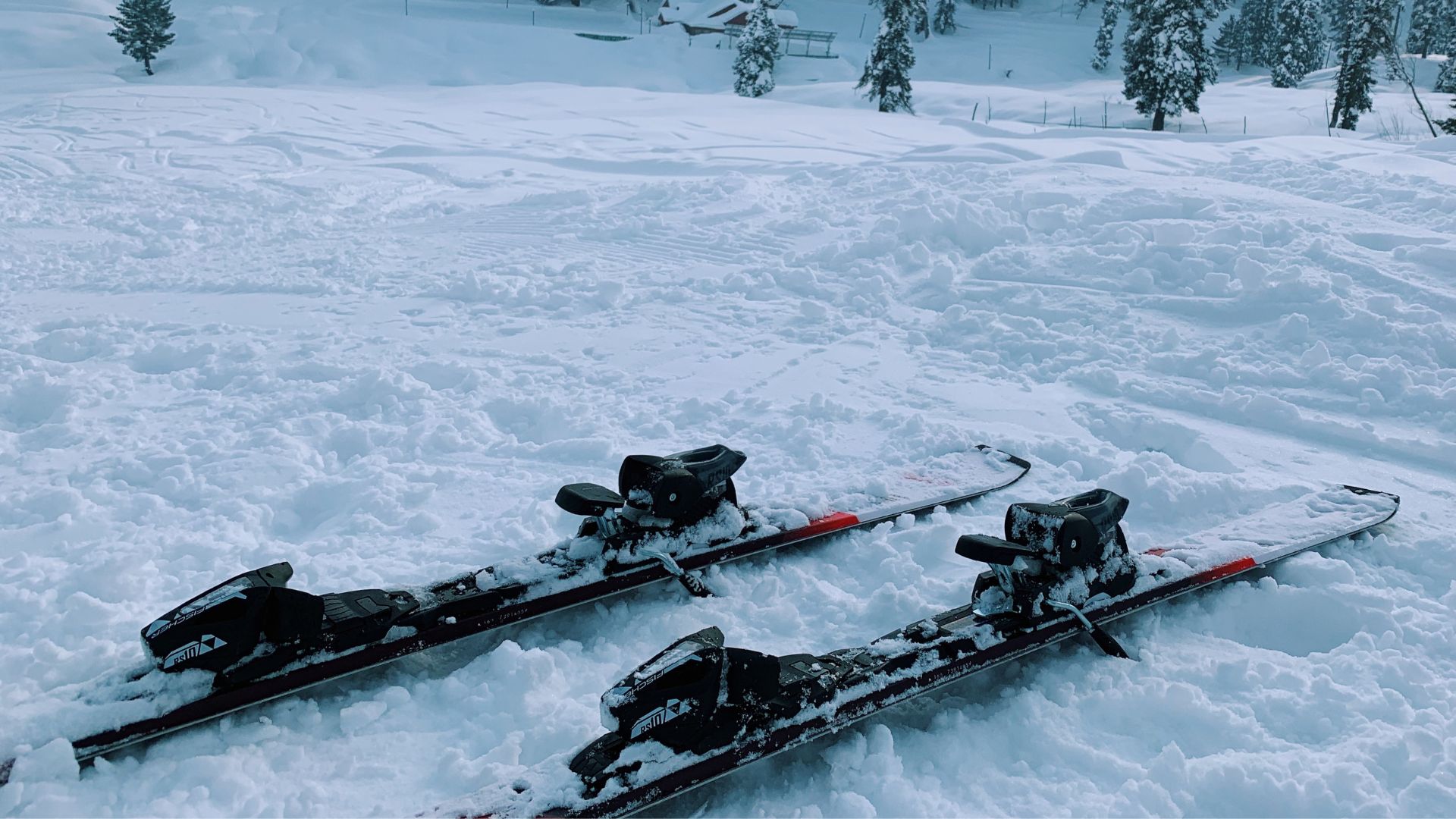
But you do need to understand what you’re strapping on. A ski has several parts: nose, binding, heel cup, tail, brake arm, and base. Knowing how your ski works helps you balance, turn, and stop correctly.
If you're unfamiliar with the parts, check out: Know Your Ski: Beginner’s Guide to Ski Anatomy
Choose the Right Ski Course in India
If you’re serious about skiing—not just snow photos—you’ll need proper training. Most resorts in India offer structured ski courses, typically in 3 levels:
Basic Ski Course – Teaches gear handling, snowplow technique, basic turns, and balance drills.
Intermediate Ski Course – Covers parallel turns, steeper terrain, and controlled descent.
Advanced Ski Course – Focuses on speed, carving, backcountry runs, and avalanche safety.
At Bikat, we are offering all three of these courses. Check details here.
There are government institutions dedicated to skiing, just like mountaineering. You can do courses from these institutions. However, the waitlist is often too long, and slots get filled up fast.
Popular Training Institutes:
- IISM (Indian Institute of Skiing and Mountaineering), Gulmarg
- GMVN Ski School, Auli
- Private certified instructors at Solang, Narkanda, and more
Course Duration: 5–14 days, depending on level
Skiing in India Cost: ₹12,000–₹35,000 (includes gear, training, sometimes stay)
Dress Like You Belong on the Slopes
What’s the golden rule of skiing? Dress right—or don’t ski. Layering is your best friend. You’ll sweat, fall, freeze, and get up again.
Beginner Skiing Essentials:
- Waterproof ski jacket & snow pants
- Base layers (thermal tops & bottoms)
- Insulated gloves
- Ski socks (avoid cotton)
- Helmet (mandatory)
- Ski goggles (rentable, but worth investing in)
Many ski resorts and schools offer gear rental for all essentials. So no need to splurge early on.
Read next: How to Dress for a Skiing Adventure
Don’t Be a Hero. Learn to Stay Safe.
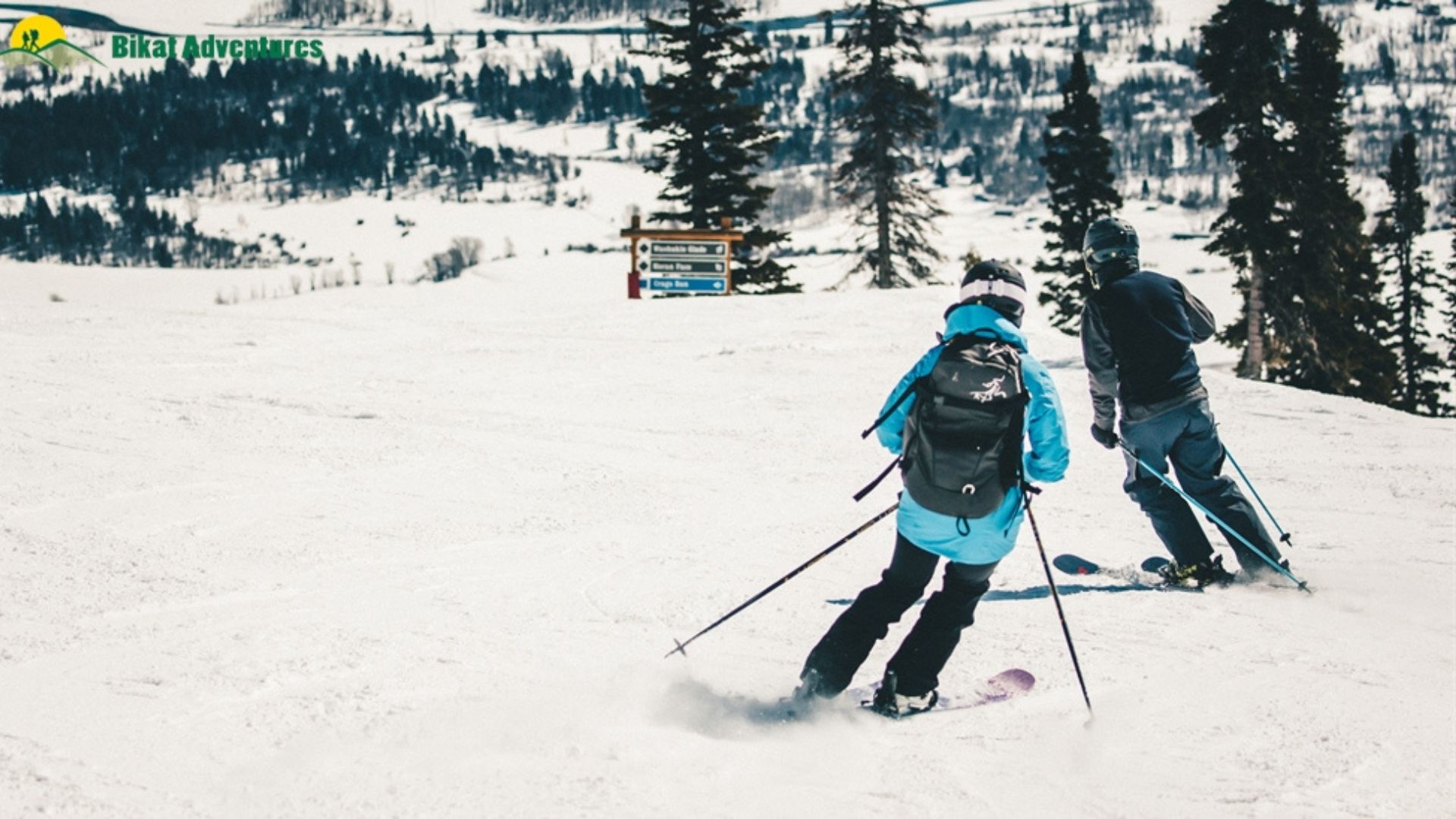
Skiing is thrilling—but don’t forget: it’s still a mountain sport. Following slope rules, staying within your skill zone, and respecting weather conditions are non-negotiable.
Key Safety Tips:
- Always warm up before skiing
- Don’t take the gondola to the black slopes unless cleared by your instructor
- Learn how to fall (and get back up)
- Don’t ski unsupervised if you're a beginner
- Rest when tired—injuries happen most when you're exhausted
If you’re unsure, ask your instructor before attempting any new slope. That one question could save you from injury.
Final Word: Is Skiing in India Worth It?
Skiing is one of the most rewarding winter sports out there—but only when it’s approached with patience, preparation, and respect for the mountain. This isn’t about mastering backflips by day three. It’s about enjoying the process—wobbly legs, snow up your sleeves, and that first perfect run.
You’ll fall. You’ll laugh. You’ll slide backward. And then one day, you’ll nail a turn—and everything will click. Skiing isn’t just learned. It’s earned. One cold, glorious run at a time.