Mt. Kiagar Ri Winter Expedition
Available Batches
Available Batches

Brief Description
Gallery
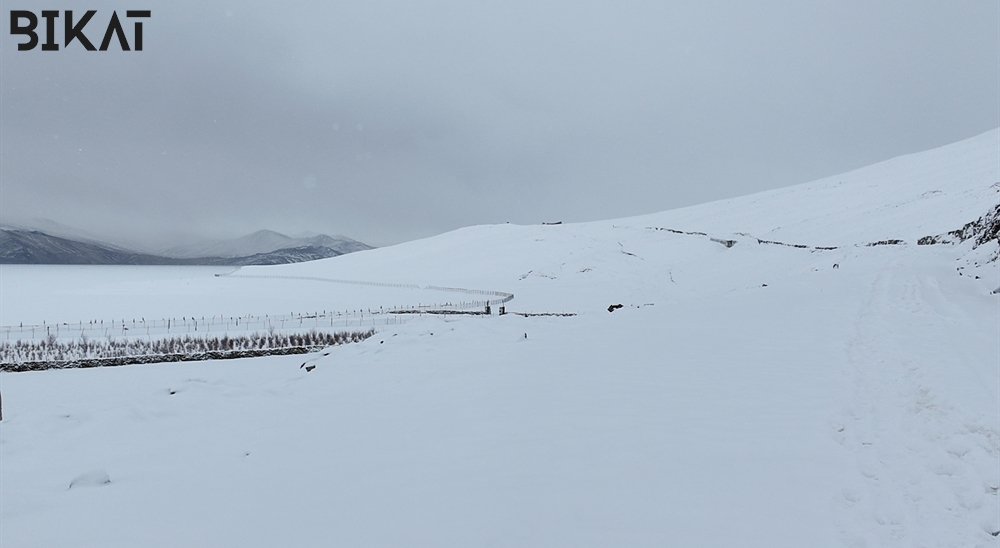
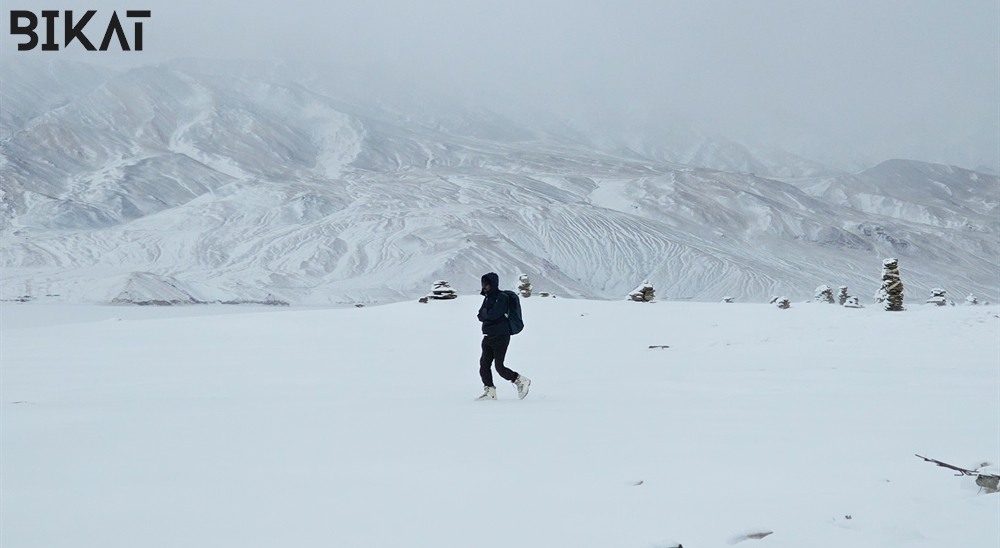
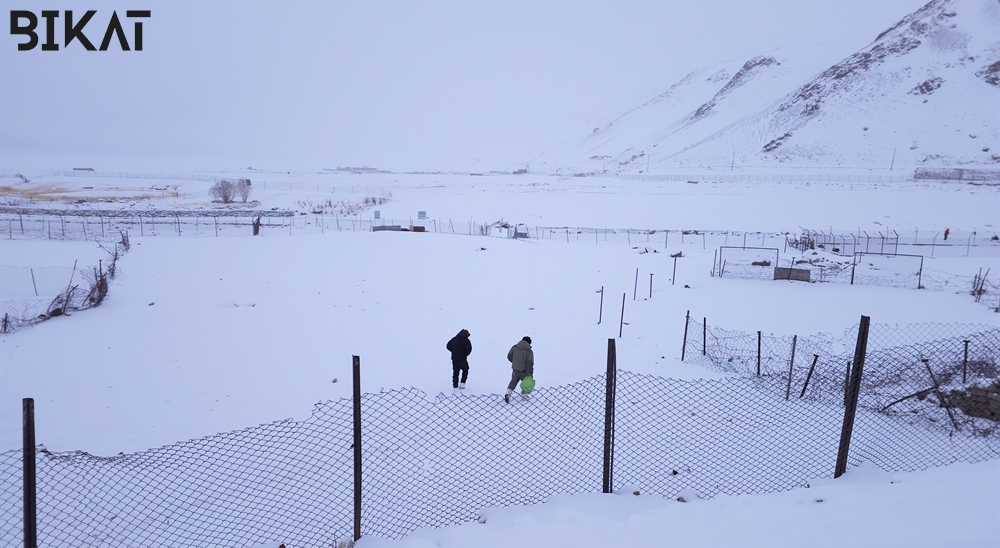
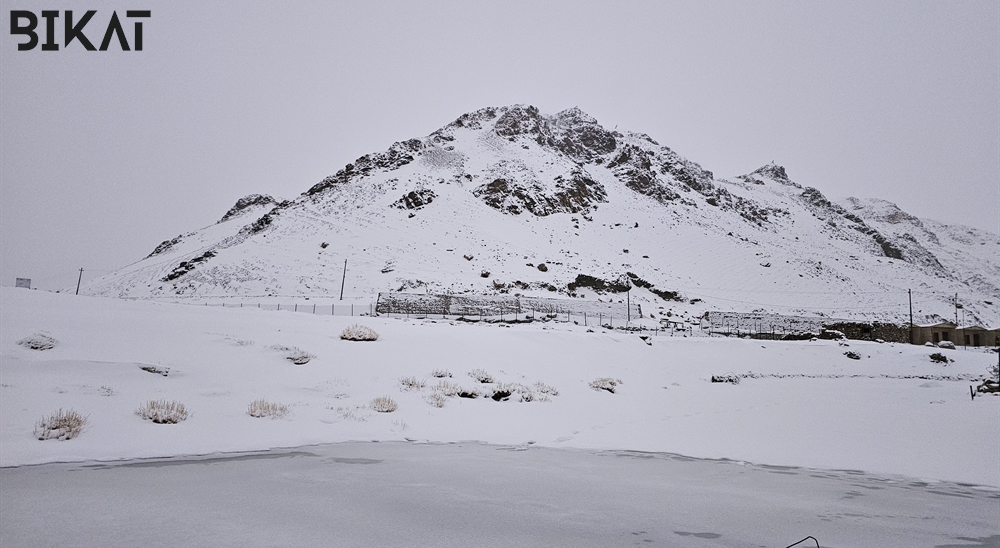
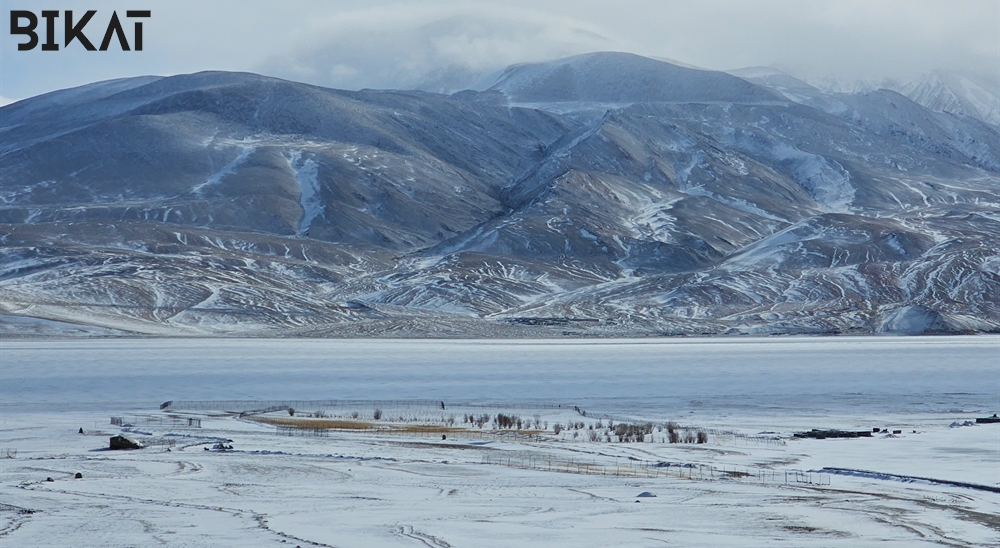
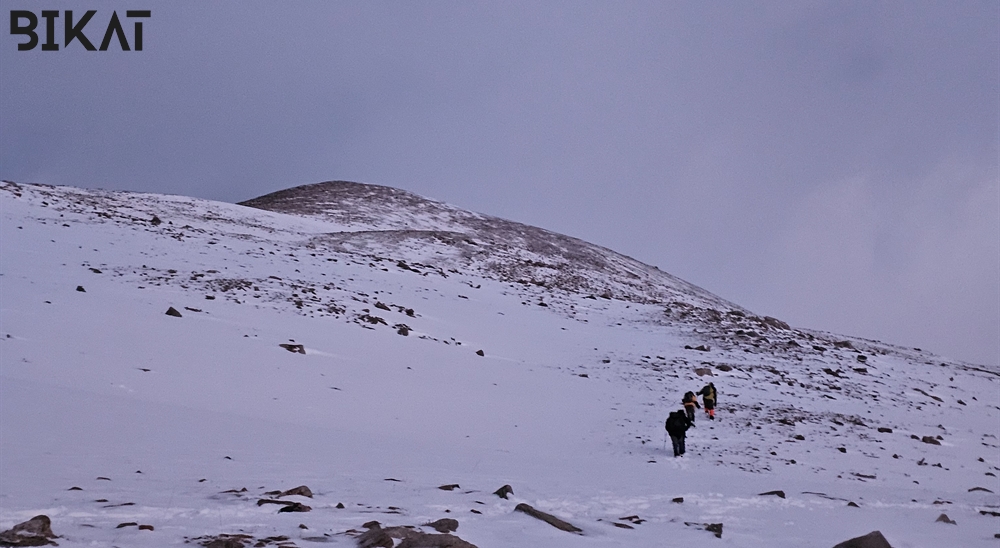
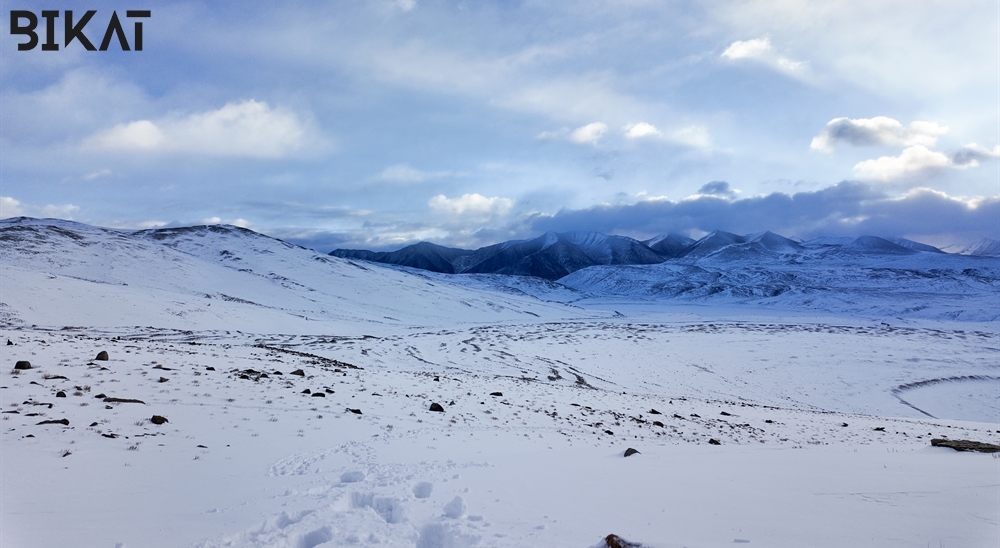
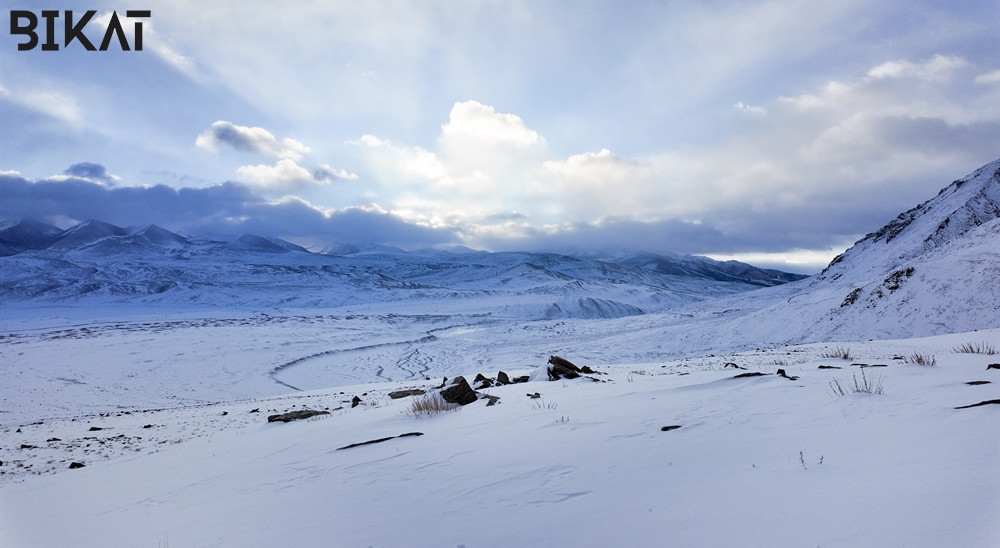
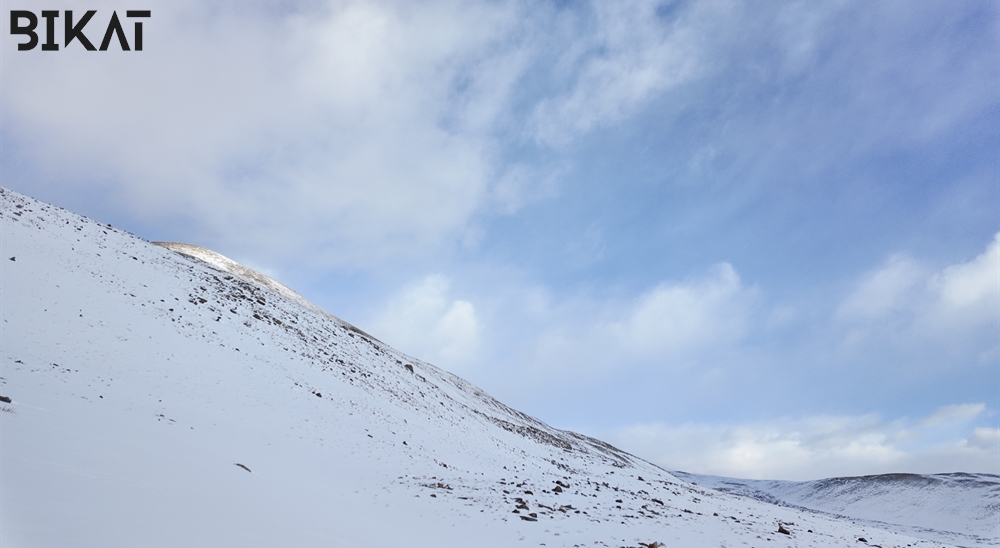
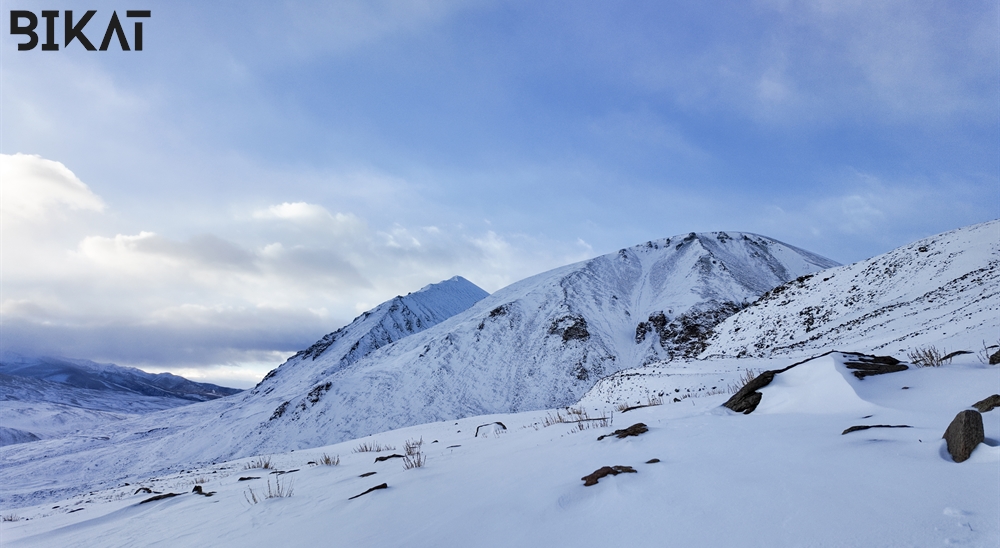
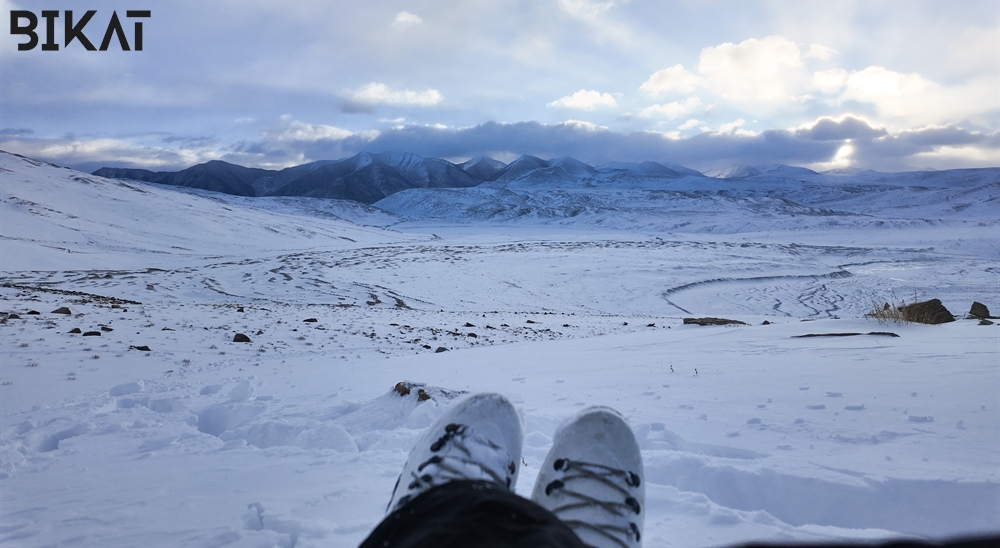
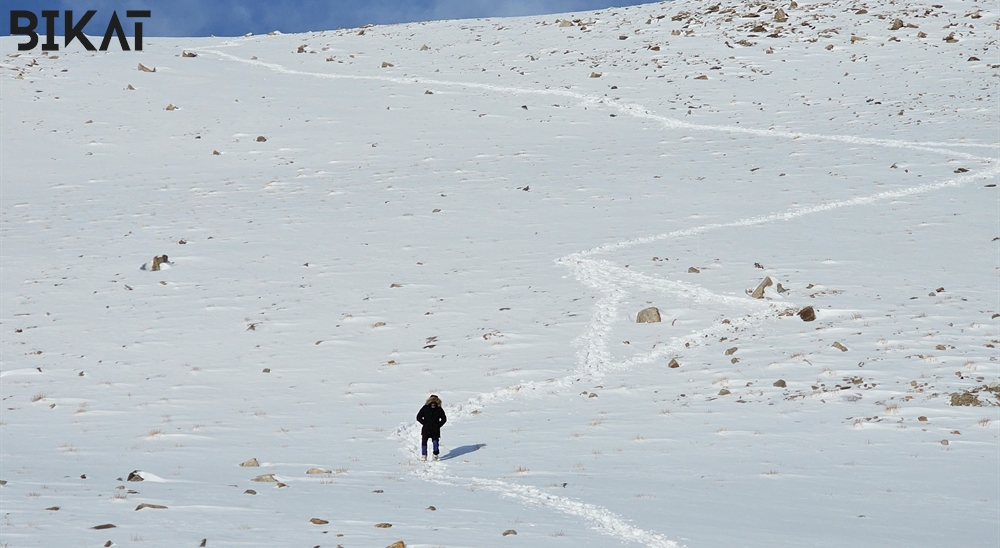
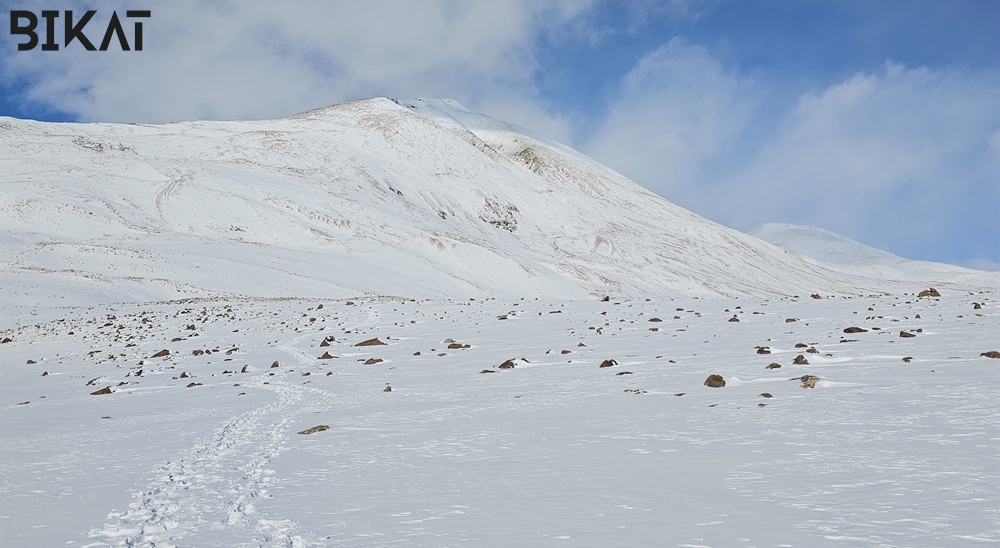
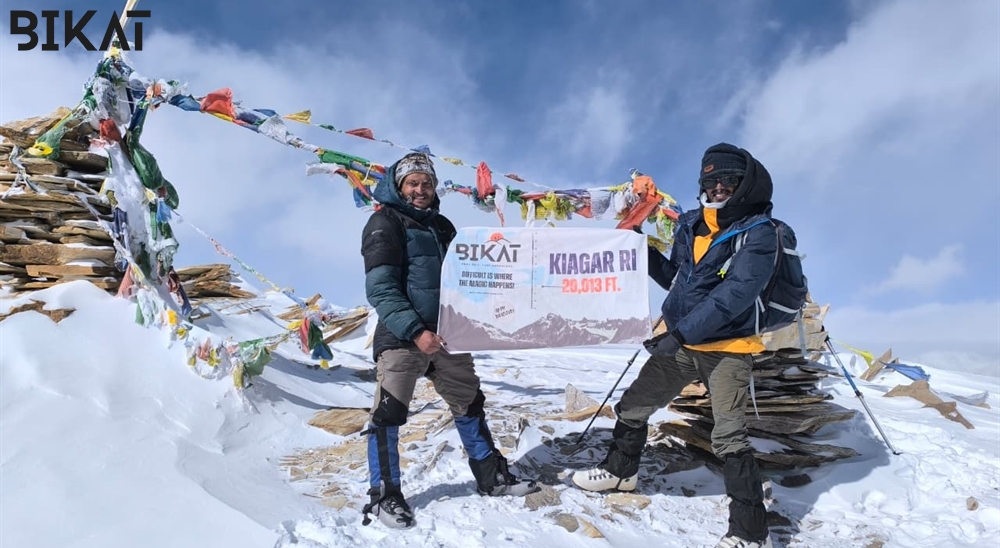
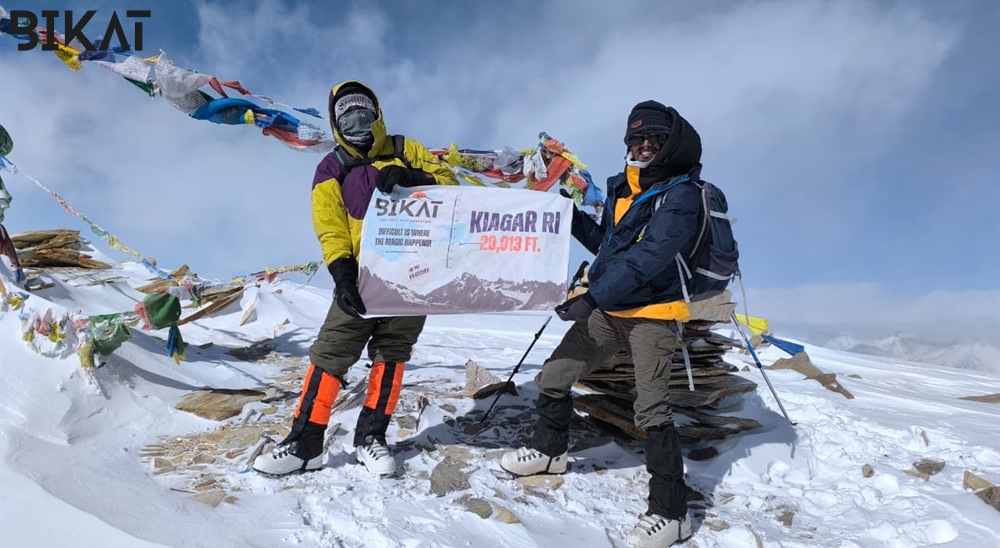
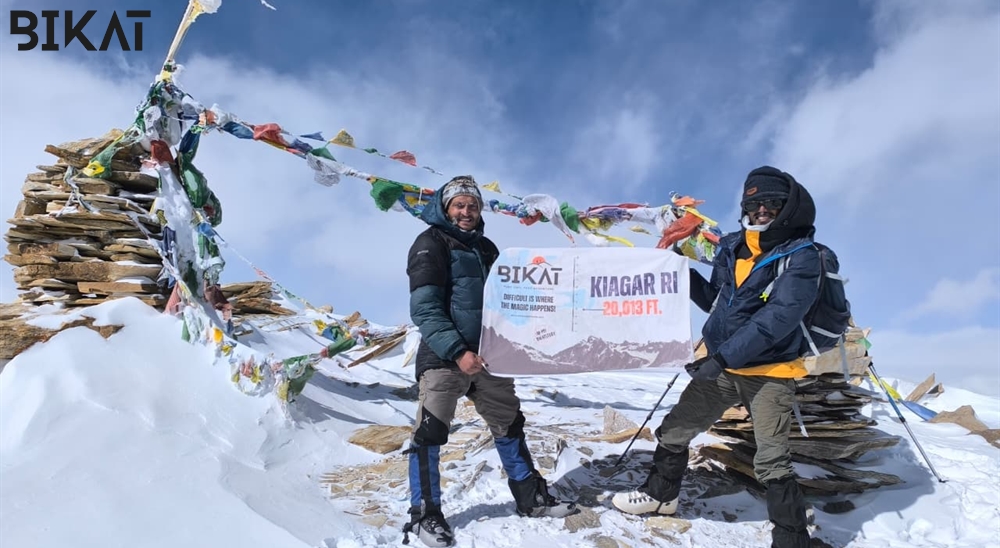
Brief Itinerary
Detailed Itinerary
Day 1
Arrive in Leh (3,500 m) – Hotel Stay
Your expedition begins in Leh, the cold desert capital of Ladakh. Once you land, our team will receive you at the airport and escort you to a pre-booked hotel. The rest of the day is for rest — don’t underestimate the altitude shock of arriving directly at 3,500 m. In the evening, your expedition leader will meet you for a detailed briefing on the days ahead, gear checks, and final preparations. If you need to rent or buy equipment, Leh’s local market has good options.
Day 2
Acclimatization in Leh
This day is dedicated to letting your body adjust to high altitude. We recommend an easy morning hike to Shanti Stupa for panoramic views of Leh and its surrounding peaks, followed by a slow-paced exploration of the local market, Leh Palace, or nearby monasteries. Keep activity light — hydration and rest are the real goals. By nightfall, you should feel more settled in the thin mountain air.
Day 3
Drive from Leh to Sumdo (4,300 m) via Chumathang (Hot Springs)
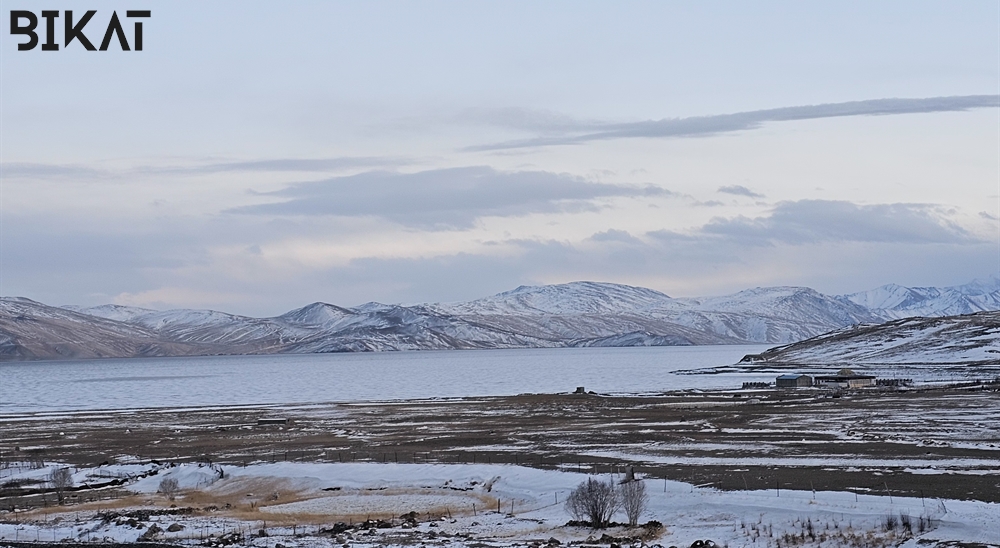
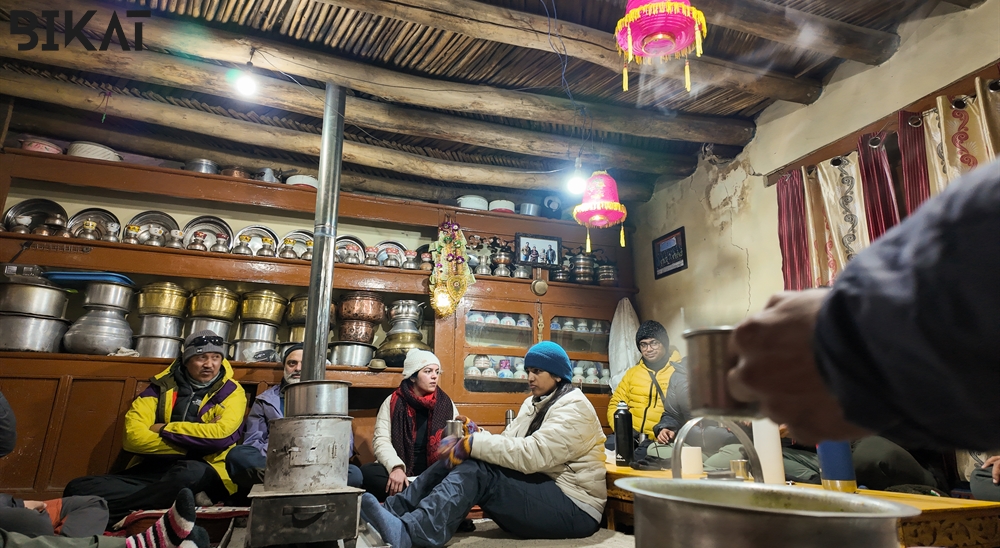
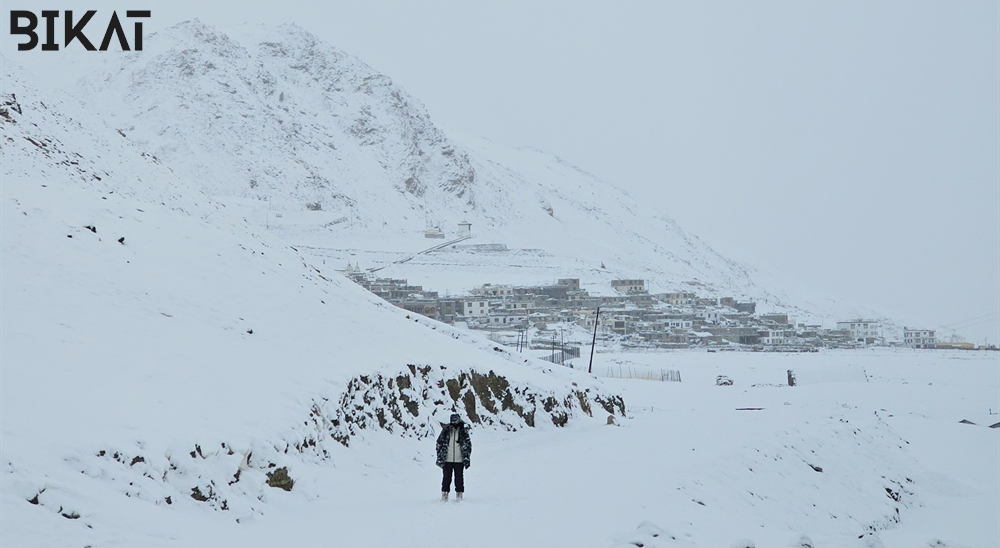
Post breakfast, we begin a 190 km drive deep into the Changthang plateau. The road takes us past Chumathang, where natural hot springs send plumes of steam into the frozen air — a rare oasis in Ladakh’s brutal winter. By late afternoon, we reach Sumdo, a small village set against wide open valleys and stark peaks. Tonight we stay in a homestay, giving you both warmth and a glimpse of local life.
Day 4
Acclimatization & Exploration in Sumdo
At 4,300 m, acclimatization is non-negotiable. Today, we take short hikes around Sumdo. The day is deliberately slow — the idea is to prepare your body for the summit push ahead while soaking in the culture of a remote Ladakhi village. Spend the evening under a canopy of stars, which feel impossibly close at this altitude.
Day 5
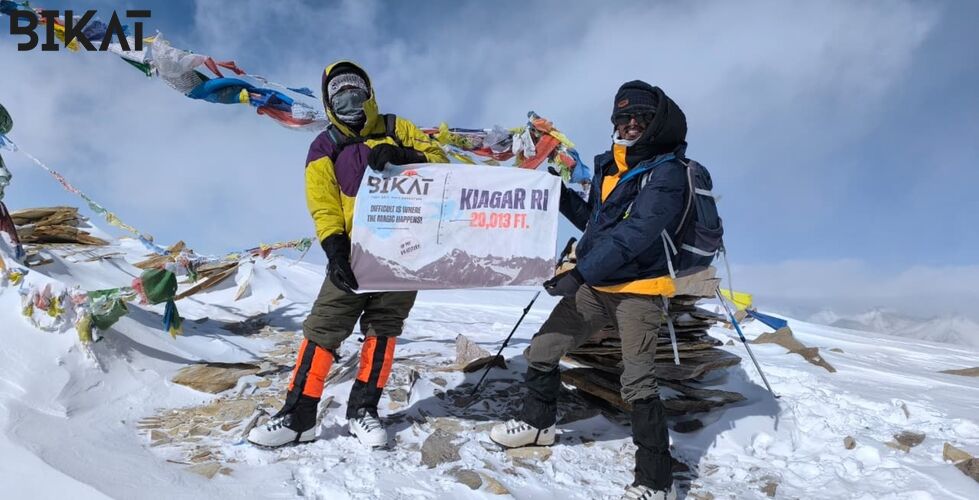
Summit Push to Mt. Kiagar Ri (6,100 m) and back to camp (homestay)
This is the day everything builds up to. We begin before dawn, around 4 AM, for a long 12–14-hour climb. The route is straightforward but demanding — snow, bitter winds, and high-altitude exhaustion are the real challenges. Keep a steady rhythm, conserve energy, and follow your leader’s instructions closely.
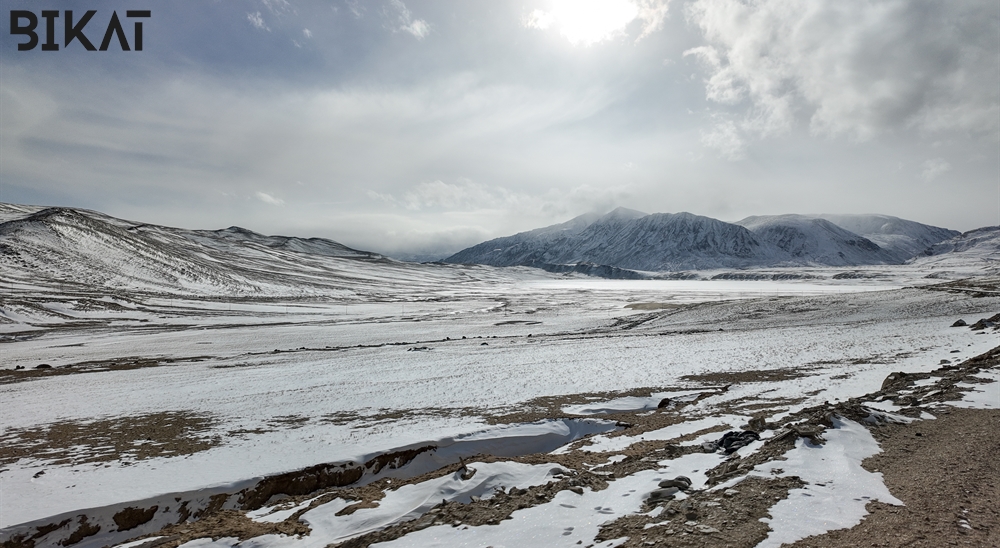
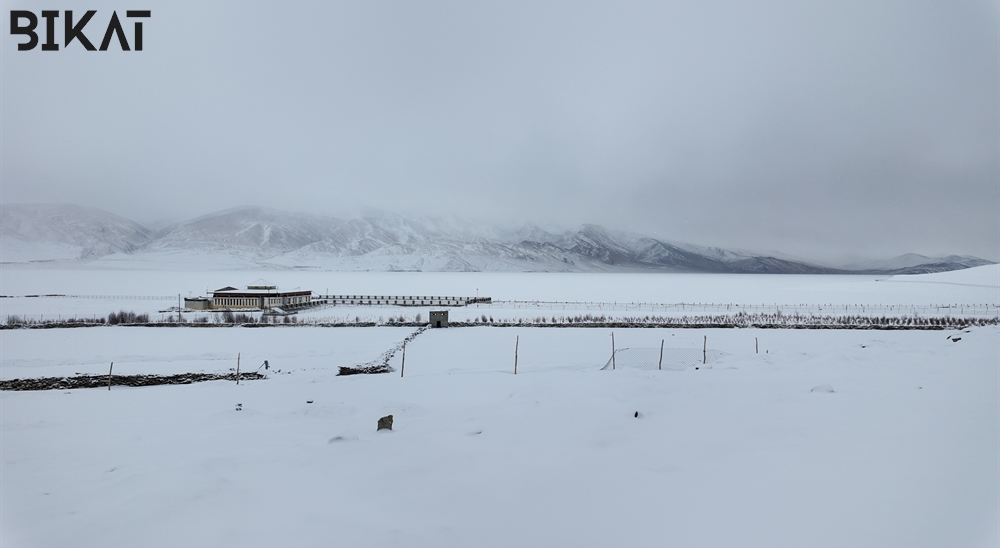
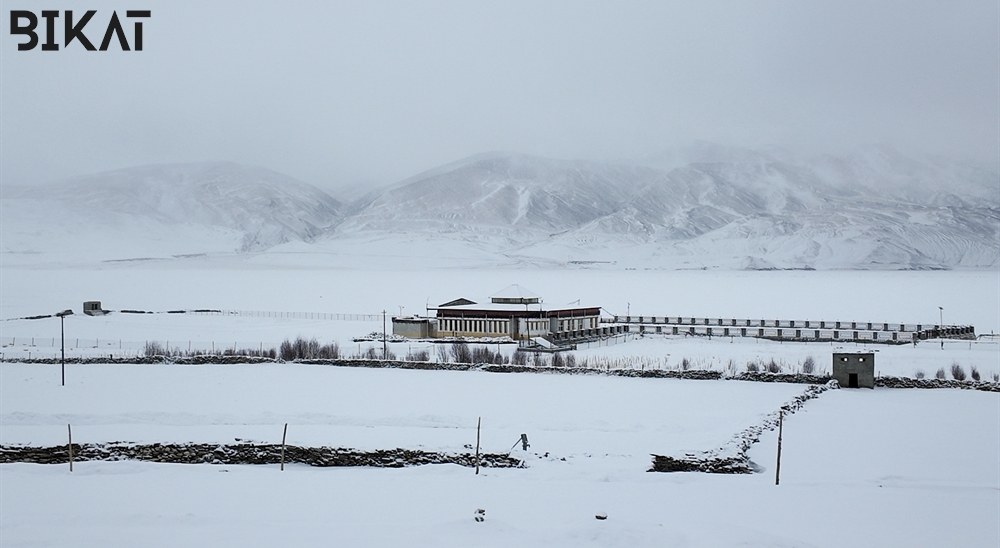
By midday, the peak unveils itself: endless views of the frozen Tso Moriri, Tso Kiagar, and the bare, windswept ranges of Changthang stretching into Tibet. Few summits feel this remote. After a brief halt at the top, we descend carefully back to the homestay for hot food and well-earned rest.
Day 6
Departure from Sumdo
Check out after breakfast. Our team will drop you at the Leh Hotel for your onward journey. Expedition ends, but the lessons of this winter climb — resilience, patience, and the silence of the high plateau — will stay with you.
Day 7
Reserve Day
Kept aside to account for delays due to weather or unforeseen conditions.
What's Included
- Hotel stay in Leh (Day 1 and 2 & 6)
- Homestay in Sumdo during the trekking days
- All meals during the expedition (from Day 1 dinner to Day 6 breakfast)
- Forest and expedition permits
- Technical and safety equipment (ropes, helmets, harnesses, crampons if required)
- Certified expedition leader and support staff (guides, cooks, helpers, porters)
- Common equipment: tents, sleeping bags (–20°C rated), mats
- Support staff: guide, cook, helpers
What's Not Included
- Flights to/from Leh
- Meals in transit or in Leh (except those included)
- Personal backpack offloading (can be arranged at extra cost)
- Travel/health insurance (mandatory for foreign nationals)
- Any evacuation/rescue costs
- Expenses of a personal nature (snacks, tips, gear purchase, etc.)
Are you Eligible for this Adventure?

BRS Level Required
This makes it mandatory for you to have high-altitude experience of preferably multiple treks marked at level 5 on the BRS. The altitude, the terrain and the nature of the climb demand a certain level of skill and a need for you to be aware of how your body reacts to the various features of high altitude environment.
If you do not know what level of BRS trek would suit you best, worry not! Fill out this Form:

we will send you a progression chart to help you comfortably get out of your comfort zone in order to level up and ultimately reach your highest potential in the big, bad world of outdoor adventure.
Packing List
This is a list of essential items for individuals doing the trek with Bikat Adventures. This list contains only those items that the participants are required to bring with them. The list excludes those items that are provided by Bikat Adventures on the trek. We have divided the items into five categories. All the items in the list are essential except for those marked as optional.
Trekking Gear
- Rucksack bag with rain cover. Qty -1
- Day Pack Bag - Recommended for treks with summit day
- Head Torch with spare Batteries. Qty -1
- U V protection sunglasses. Qty -1 Here is how you can choose the best sunglasses for trekking.
- Water Bottles: 2 bottles of 1 liter each
Footwear
- Non-skid, deep treaded, high-ankle trekking shoes Qty -1
- Pair of light weight Slipper/Sandals Qty -1
Frequently Asked Questions
Why Bikat?
Small Group Size
Our batch sizes are capped at 15 for smaller treks with the trek leader and trekker ratio of 1:8. This ratio, in our years of experience, has proven to deliver the best trekking experience for individuals as well as groups. Capping the size of the group ensures individual attention to each trekker so that no signs of distress or need during the trek go unnoticed. It also helps to form a more cohesive cohort with better group energy which helps define the rhythm and pace of days on the trek. As you go higher up on the BRS scale, since the stakes are higher, expeditions have an even smaller group size with the ratio of expedition leader to climber set at 1:2.
Qualified Expedition Leaders
We follow a rigorous regime of hiring and training our experts in the field. Each trek leader is a certified mountaineer with years of experience in the field. In addition to their qualification, they also go through practical and situational training to tackle any and all kinds of sudden conditions that may present themselves on the ground. Being unpredictable is the core nature of the mountains but being ready for any circumstance as best as possible is a controllable asset that we try to nurture. Our field experts are also trained in basic medicine and first-aid response. Watch: Forerunners - The Making of A Trek Leader At Bikat Adventures
Guided Progression
Since Bikat Adventures is a learning-based organization, we help you climb up the ladder of difficulty within the sphere of outdoor adventure systematically. Our on-ground training modules are designed to handhold you through the upskilling process so that you are ready to take on bigger challenges.
Equipment Quality and Check
All the gear used on our treks and expeditions is tried and tested, maintained for good quality, and is overall top-notch in quality and condition. We are continually looking to obtain the best of everything there is in the market so as to ensure optimum safety.
Support Systems
Along with the staff you see on-ground, we have a team of superheroes working in the background to give you the best experience possible. Our background team also comprises local staff from each area who know the region best. Having local support helps with studying the area, pre-planning, execution, and in receiving timely support in case of emergencies in these remote locations.
Communication
Our on-field staff is in constant contact with our teams based in primary locations so as to eliminate any avoidable delay in reaching additional help and support when required. We try to use the best tools for communication available, including satellite phones, in regions where they are not restricted.
What our customers Say


Cancellation Policy
Cash refund
Cancellations up to 60 days prior to departure date
Between 60 days to 20 days prior to departure date
Cancellations within 20 days prior to departure date
Voucher refund
Cancellations upto 60 days prior to departure date
Between 60 days upto 20 days prior to departure date
Between 20 days upto 5 days prior to departure date
Less than 5 days prior to departure date
- Cash refund is applicable only in case of bookings made without using any promotional offer code or Cancellation Vouchers or running discounts. "Cash Refund will be processed in 7-14 working days."
- This is only a brief of cancellation terms. For finer details please refer Detailed Cancellation Policy.